


Gulkand Benefits: 10 Ayurvedic Effects of Rose Petal Preserve

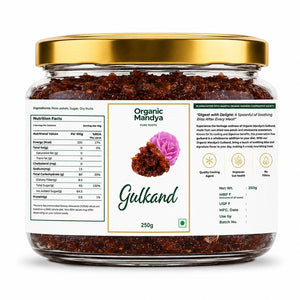
Gulkand is the traditional Indian preserve of Rosa damascena (Damask rose) petals layered with powdered mishri (rock sugar) or sugar, then aged in direct sunlight for 30-45 days until the petals break down into a fragrant, sweet, cooling paste. In Ayurveda, gulkand is classified as one of the most potent pitta-pacifying foods with sheeta virya (cooling potency) and madhura rasa (sweet taste), providing 10 documented benefits spanning body cooling, digestion, skin health, reproductive health, and mental well-being. It is consumed across North India during the extreme summer months (April-July) as a natural heat-protection food, traditionally served in paan (betel leaf) as a post-meal digestive.
What Is Gulkand
|
Feature |
Detail |
|
Main ingredient |
Rosa damascena (Damask rose) petals - fresh, deep pink/red |
|
Preservation medium |
Mishri (rock sugar) or powdered sugar (equal weight to petals) |
|
Aging process |
Layered in a glass jar; aged in direct sunlight for 30-45 days |
|
Result |
Fragrant, sweet, cooling rose-petal paste |
|
Colour |
Deep reddish-brown to maroon |
|
Taste |
Sweet with a distinct rose flavour |
|
Ayurvedic classification |
Sheeta virya (cooling); Madhura rasa (sweet); Pitta-shamaka (pitta-pacifying) |
|
Traditional use |
Paan filling; summer tonic; post-meal digestive; skin tonic |
|
Shelf life |
12+ months at room temperature (sugar-preserved) |
|
Etymology |
Gul (flower/rose in Persian/Urdu) + Kand (sweet in Hindi) |
Active Compounds in Rose Petals
|
Compound |
Source |
Health Effect |
Survives Preparation? |
|
Anthocyanins |
Rose petal pigments |
Antioxidant; anti-inflammatory; skin protection |
Yes (sugar preservation stabilises) |
|
Gallic acid |
Rose petals |
Anti-inflammatory; melanin modulation; antimicrobial |
Yes |
|
Vitamin C |
Rose petals |
Immune support; collagen synthesis |
Partially (some loss during ageing) |
|
Geraniol |
Rose essential oil |
Anxiolytic (anxiety-reducing); aromatic; antimicrobial |
Yes (oil-soluble; retained in sugar matrix) |
|
Citronellol |
Rose essential oil |
Calming; antimicrobial; aromatic |
Yes |
|
Quercetin |
Rose petals |
Antihistamine; anti-inflammatory |
Yes |
|
Kaempferol |
Rose petals |
Antioxidant; anti-inflammatory |
Yes |
|
Natural sugars |
Mishri/sugar + rose sugars |
Energy: preservation medium |
Yes |
10 Ayurvedic Benefits - Detailed Analysis
1. Pitta Cooling (Primary Ayurvedic Effect):
Gulkand is one of Ayurveda's most powerful cooling foods. Pitta dosha governs heat, metabolism, and inflammation in the body. When pitta is aggravated (common in Indian summers, stress, spicy food consumption, anger), the body manifests heat symptoms: acidity, skin rashes, excessive sweating, burning sensation, irritability. Gulkand's sheeta virya (cooling potency) directly pacifies these pitta symptoms. This is why gulkand consumption peaks during April-July across North India.
2. Acne and Inflammatory Skin Conditions:
Pitta-type acne (red, inflamed, pus-filled pimples that worsen in summer) responds to gulkand's cooling and anti-inflammatory properties. Anthocyanins reduce inflammatory cytokines; gallic acid modulates melanin production (reducing post-inflammatory hyperpigmentation); and the overall pitta-pacifying effect reduces the internal heat that drives pitta-type skin eruptions. See our [gulkand benefits for skin guide] for the complete skin analysis.
3. Mouth Ulcer Relief (Mukhapaka Chikitsa):
Gulkand's cooling effect provides direct soothing relief for oral mucosal inflammation. Ayurveda prescribes gulkand as a primary remedy for mukhapaka (mouth ulcers, aphthous ulcers, canker sores) and bleeding gums. Apply directly to the ulcer or consume 1-2 tsp; the cooling and anti-inflammatory compounds reduce pain and support healing.
4. Digestive Aid and Hyperacidity Relief:
Gulkand reduces pitta in the stomach (the Ayurvedic explanation for hyperacidity and acid reflux). The cooling, soothing effect calms excessive gastric acid production. Unlike antacids that neutralise acid chemically, gulkand works by pacifying the dosha driving the excessive acid production. See our [is ghee good for acidity guide] for complementary digestive support.
5. Menstrual Comfort:
Gulkand's cooling effect reduces heat-related menstrual symptoms: excessive bleeding (raktapradar), menstrual cramps worsened by pitta, and heat-related premenstrual irritability. In traditional Indian medicine, gulkand with cold milk is prescribed during heavy or painful periods.
6. Body Odour Reduction:
Excessive body odour in Ayurveda is attributed to pitta aggravation, causing excessive sweating and heat-related metabolic waste in sweat. Gulkand's pitta-cooling effect reduces the root cause - excessive internal heat - leading to reduced sweating intensity and altered sweat composition.
7. Eye Health (Netra Prasadana):
Traditional Ayurvedic claim that gulkand cools and strengthens vision. The rose petal anthocyanins do have documented antioxidant effects on retinal cells in laboratory studies, and Vitamin C supports ocular connective tissue health. However, direct clinical evidence for gulkand-specific eye benefits is limited.
8. Mental Calming and Anxiety Reduction:
Geraniol and citronellol (aromatic compounds from rose essential oil retained in gulkand) have documented anxiolytic properties in published pharmacological research. Gulkand consumption is traditionally associated with mental peace, reduced irritability, and emotional cooling. The ritual of eating gulkand in paan after a meal is a deliberate Ayurvedic practice for post-meal mental settling.
9. Summer Heat Protection (Loo/Heat Stroke Prevention):
Consumed widely across North India during the extreme summer months (April-July) to prevent heat-related conditions: heat stroke (loo), prickly heat, dehydration, and heat exhaustion. Gulkand with cold milk or mishri water is a traditional summer heat-protection drink.
10. Reproductive Health (Shukra Dhatu Nourishment):
Traditional rasayana for reproductive tissue. Gulkand is consumed by newlyweds in many Indian traditions as a mild reproductive tonic. In Ayurveda, cooling foods that nourish shukra dhatu (reproductive tissue) are prescribed for fertility support in pitta-predominant individuals.
How Gulkand Is Made - Traditional Sun Method
Select fresh rose petals - Rosa damascena (Damask rose), deep pink or red. Remove the white base of each petal (slightly bitter). Ensure pesticide-free/organic roses.
Layer in a glass jar - Alternate layers: 1 layer rose petals, 1 layer equal-weight powdered mishri (or sugar). Press gently after each layer.
Seal and place in sunlight - Cover with a clean cloth (allow air exchange) or loosely seal. Place in direct sunlight for 30-45 days.
Stir periodically - Every 2-3 days, stir with a clean, dry wooden spoon.
Monitor transformation - Petals gradually break down; sugar dissolves into petal juices; colour deepens; fragrance intensifies.
Ready indicator - After 30-45 days, the mixture becomes a uniform, fragrant, deep reddish-brown paste. Transfer to an airtight glass jar.
How to Consume Gulkand
|
Method |
Amount |
Best For |
Timing |
|
Direct (by itself) |
1-2 tsp (10-20g) |
General cooling; simplest |
Morning or after lunch |
|
In cold milk |
1 tsp in 1 glass cold milk |
Maximum cooling; summer drink |
Morning or afternoon |
|
In paan (betel leaf) |
1 tsp as paan filling |
After-meal digestive; traditional |
Post-dinner |
|
With mishri water |
1 tsp + mishri + cold water |
Morning summer tonic |
Empty stomach |
|
On toast or roti |
1 tsp spread |
Children; easy consumption |
Breakfast |
Gulkand for Skin, Acne, and Pitta Conditions
|
Condition |
How Gulkand Helps |
Recommended Intake |
|
Pitta-type acne (red, inflamed) |
Cools pitta; reduces inflammatory cytokines |
1-2 tsp daily for 4-6 weeks |
|
Mouth ulcers |
Direct cooling + anti-inflammatory on the mucosa |
Apply directly + 1 tsp orally |
|
Heat rash / prickly heat |
Cools from within; reduces sweating |
1-2 tsp daily during summer |
|
Post-inflammatory hyperpigmentation |
Gallic acid modulates melanin |
1 tsp daily; complement with topical care |
|
Summer skin dullness |
Anthocyanin antioxidants; internal hydration |
1 tsp in cold milk daily |
Who Should Eat and Who Should Be Cautious
|
Group |
Recommendation |
Reason |
|
Pitta-predominant constitution |
Highly recommended |
Primary gulkand indication |
|
Summer season (all constitutions) |
Recommended |
Universal cooling benefit |
|
Mouth ulcer sufferers |
Strongly recommended |
Immediate soothing effect |
|
Hyperacidity/reflux |
Recommended |
Pitta-cooling reduces acid |
|
Diabetics |
Limit to 1 tsp; mishri-based preferred |
40-50% sugar content |
|
Kapha-predominant constitution |
Use moderately (1 tsp) |
Sweet, heavy qualities may aggravate kapha |
|
Weight-conscious |
1 tsp maximum |
Sugar-based; calorie-dense |
How to Buy Authentic Gulkand
|
Marker |
Authentic |
Suspect |
|
Colour |
Deep reddish-brown; may show petal fragments |
Bright artificial pink (synthetic colour) |
|
Aroma |
Strong natural rose |
Chemical/synthetic rose smell |
|
Texture |
Thick paste with visible petal strands |
Smooth jelly-like (may be jelly + flavouring) |
|
Ingredients |
Rose petals + sugar/mishri only |
Added colours, preservatives, and artificial flavours |
|
Price |
Rs 200-500/kg for genuine |
Below Rs 100/kg (likely adulterated) |
FAQs
Q1. What are the gulkand benefits?
10 Ayurvedic benefits: (1) pitta cooling, (2) acne and skin health, (3) mouth ulcer relief, (4) digestive aid and hyperacidity relief, (5) menstrual comfort, (6) body odour reduction, (7) eye health, (8) mental calming and anxiety reduction, (9) summer heat protection, and (10) reproductive health. The primary benefit is its powerful sheeta (cooling) effect that pacifies pitta dosha and all pitta-related conditions.
Q2. How much gulkand should I eat per day?
1-2 teaspoons (10-20g) daily for healthy adults. Diabetics should limit to 1 tsp due to sugar content. Best consumed with cold milk for maximum cooling effect. During the summer months, daily consumption is especially beneficial for heat protection.
Q3. Is gulkand good for acne?
Yes - specifically for pitta-type acne (red, inflamed pimples that worsen in summer or after spicy food). Gulkand's pitta-cooling, anti-inflammatory anthocyanins, and gallic acid work internally to reduce the heat driving inflammatory acne. Consume 1-2 tsp daily for 4-6 weeks alongside appropriate skincare. Not effective for comedonal (blackhead/whitehead) or hormonal acne from non-pitta causes.
Q4. Can diabetics eat gulkand?
With caution - gulkand is approximately 40-50% sugar by weight. Limit to 1 tsp daily. Choose mishri-based gulkand (lower GI than refined sugar). The rose petal compounds provide genuine health benefits, but the sugar vehicle is a concern for diabetic management. Consume with a meal, not on an empty stomach.
Q5. How is gulkand different from rose jam?
Gulkand is sun-aged (30-45 days in sunlight) using fresh rose petals and sugar/mishri - a traditional preservation method. Rose jam is cooked with pectin and sugar over heat - a Western preservation method. Gulkand retains more heat-sensitive rose compounds (volatile oils, some Vitamin C) because it is never exposed to cooking heat. The Ayurvedic properties are attributed specifically to the sun-ageing process.
Q6. Can I make gulkand at home?
Yes - layer fresh Rosa damascena petals with equal weight mishri in a clean glass jar. Place in direct sunlight for 30-45 days, stirring every 2-3 days with a dry wooden spoon. Ensure pesticide-free/organic rose petals. The main requirement is consistent sunlight and patience.
Q7. Is gulkand safe during pregnancy?
Generally, yes - gulkand is traditionally considered safe and even beneficial during pregnancy (cooling, reducing hyperacidity, supporting iron absorption from its Vitamin C). However, the sugar content should be accounted for in the total dietary sugar intake. Consult your obstetrician if you have gestational diabetes.


