Home / Millets / Samai Millet (Little Millet / Saame)

Samai Millet (Little Millet / Saame)

(5 reviews)
₹ 120.00
Checking…

Food Safety / Purity Panel

All pass
  • Pesticide residuePASS
  • Heavy metalsPASS
  • AflatoxinNOT DETECTED
  • Microbial loadPASS
View Reports
Size
500g ₹ 120.00
1Kg ₹ 220.00

Key Highlights

  • Organic Mandya, unpolished little millet (saame)
  • High in dietary fiber
  • Rich in iron, calcium, and magnesium
  • Gluten-free and suitable for all diets
  • Mild flavour, versatile for daily cooking
  • Ideal rice alternative for healthy lifestyles
Description
How to use
Nutrition
Certifications
Why choose
Sourcing
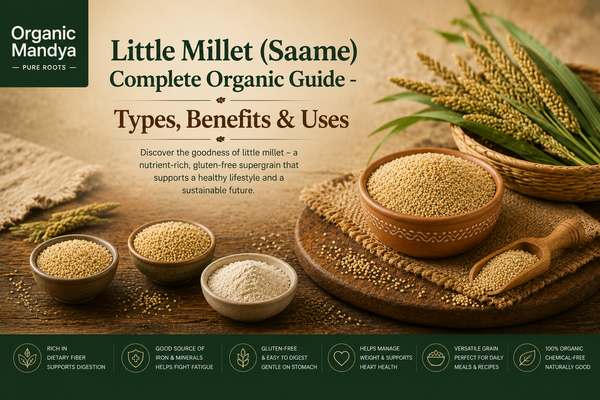
Organic Mandya Little Millet (Saame) is a grain that has been part of Indian diets for centuries, valued for its simplicity, nutrition, and adaptability. Also known as samai millet in English, this small-grained millet is widely used across South India and is gaining popularity among health-conscious consumers today. Its tiny size, quick cooking, and mild nutty flavour make it a practical choice for modern kitchens.

Little millet, often searched as what is little millet, is known for its soft texture and light consistency when cooked. Unlike polished rice, it does not feel heavy, making it suitable for regular consumption. It blends seamlessly into everyday meals while offering better nutritional value. Many households now prefer saame millet as a healthier alternative to refined grains.

This little millet is unpolished aged, which helps retain its natural fiber and nutrients. The grain has a subtle earthy aroma and absorbs flavours easily, allowing it to adapt to both simple and elaborate recipes. Whether used in everyday dishes or contemporary meals, it provides a satisfying and wholesome eating experience.

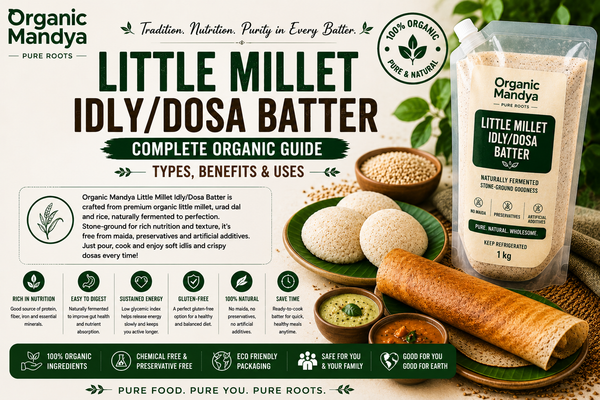
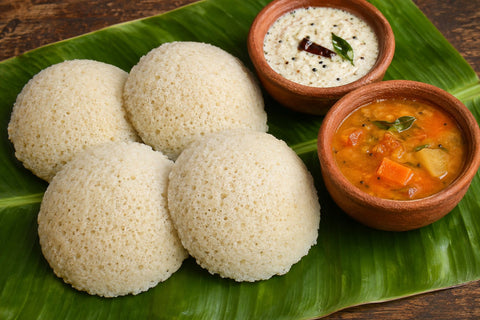
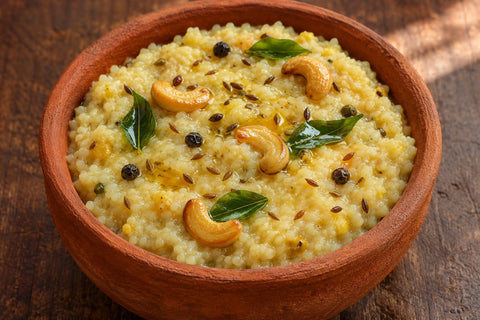
Saame millet is also highly versatile. It can be cooked like rice, used in upma, porridge, pulao, or even ground into batter for dosa and idli. Its ability to fit into different cuisines makes it a reliable staple for daily use.

With increasing awareness around clean eating and whole grains, Organic Mandya little millet has become an important part of balanced diets. It offers a natural way to improve meal quality without drastically changing food habits.

Read our millets guide: what millets are, how to cook them and recipes.

See all our millets for the full range, or get it with the other three small millets in our four-millet combo (kodo, foxtail, little and proso).

Organic Mandya Little Millet (Saame) is one of the easiest millets to include in daily cooking due to its quick cooking time, light texture, and neutral flavour. It works as a direct substitute for rice. Before cooking, rinse the millet thoroughly 2–3 times in clean water to remove any dust or natural residues. Soaking for 20–30 minutes is optional but recommended, as it helps soften the grain and improves cooking consistency. For a basic preparation, use a 1:2 ratio of little millet to water. Bring it to a boil, then cook on low flame until the grains become soft and fluffy. Allow it to rest for a few minutes and gently fluff before serving.

Usage in Everyday Meals

Little millet can be comfortably used as a staple grain in place of rice. It pairs well with everyday dishes like sambar, rasam, dal, and vegetable curries. Its light and non-sticky texture makes meals feel satisfying without heaviness, making it suitable for both lunch and dinner. It is also ideal for meal prep, as it stays soft and fresh for several hours after cooking. Because of its mild flavour, it adapts easily to both simple home-style meals and slightly spiced preparations.

Recipes & Cooking Ideas

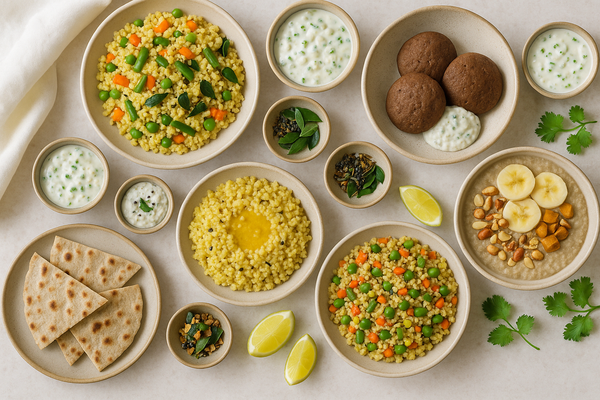
little millet is highly versatile and can be used across a wide range of recipes:

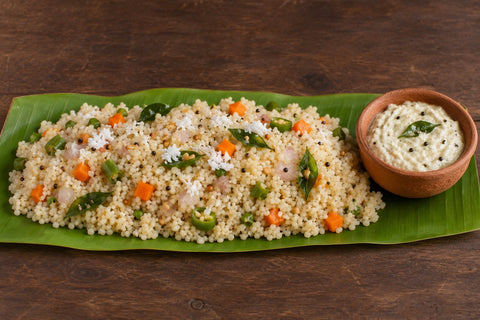
  • Little Millet Pulao / Vegetable Bath: Cook with vegetables, whole spices, and herbs for a wholesome one-pot meal.
  • Upma / Khichdi: A light, comforting dish that works well for dinner or easy lunches. Add vegetables for extra nutrition.
  • Dosa / Idli Batter: Soak little millet and blend with urad dal to prepare soft, nutritious dosas and idlis.
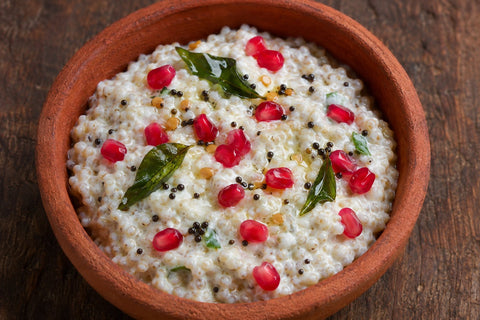
  • Porridge (Ganji): Cook with water or milk for a warm, comforting meal, especially suitable for breakfast or light dinners.
  • Salads & Grain Bowls: Combine cooked millet with fresh vegetables, greens, legumes, or paneer for a modern, balanced meal.
  • Laddus & Millet-Based Snacks: Use cooked or powdered millet in classic snack recipes for a healthier twist.

Little millet absorbs flavours well, making it suitable for both South Indian dishes and contemporary recipes.

Storage & Best Practices

To maintain freshness and quality, store little millet in an airtight container in a cool, dry place away from moisture and direct sunlight. Avoid storing near strong-smelling foods, as millets can absorb odours easily. If purchasing in bulk, divide the millet into smaller portions for regular use while keeping the rest sealed.

In humid climates, refrigeration is recommended to extend shelf life and prevent pest infestation. Always use a clean, dry spoon when handling the millet to avoid moisture contamination.

Proper storage ensures that Organic Mandya little millet remains fresh, free-flowing, and retains its natural flavour and nutritional value over time, making it a reliable and healthy staple for everyday cooking.

Organic Mandya Little Millet is considered one of the most nutritious small millets due to its balanced composition of fiber, protein, and essential minerals.

One of the key little millet benefits is its high dietary fiber content, which creates a feeling of fullness.

The grain is also rich in important minerals such as iron, calcium, magnesium, and phosphorus, making this millet a well-rounded nutritional choice.

Organic Mandya little millet is gluten-free, making it suitable for those with gluten intolerance or those choosing gluten-free diets. It also contains antioxidants.

Because of these qualities, saame millet is increasingly used as a long-term dietary staple rather than just a temporary alternative, aligning well with both balanced nutrition practices and modern dietary needs.

Typical nutrition values per 100 g

Typical values per 100 g of raw samai (little millet), from IFCT 2017 (ICMR-National Institute of Nutrition). Not a laboratory analysis of this pack.

  • Energy: 346 kcal
  • Protein: 10.13 g
  • Total fat: 3.89 g
  • Carbohydrates: 65.55 g
  • Dietary fibre: 7.72 g
  • Calcium: 16.06 mg
  • Iron: 1.26 mg

Before any Organic Mandya product reaches your kitchen, it must successfully pass through our rigorous three-tier verification process:

  1. Two Independent Organic Certifications to guarantee authentic farming practices.
  2. Third-Party Lab Testing to ensure absolute quality and safety
View our transparency and lab reports here.

Choosing Organic Mandya little millet over conventional grains offers several benefits, especially for those looking to improve their diet. Many commercially available grains are polished and processed, which reduces their nutritional value. In contrast, this unpolished little millet retains its fiber and nutrients.One of the main reasons people switch to saame millet is its role as a healthier alternative to rice. It provides better satiety and nutrition while being easy to cook and incorporate into daily meals. This makes it suitable for families transitioning towards healthier eating habits.Compared to regular millet, Organic Mandya varieties ensure that no chemical residues are present. This is particularly important for individuals seeking clean food options. The absence of additives and preservatives further enhances its appeal.Another advantage is its versatility. Little millet can be used in a wide range of dishes, from South Indian recipes to modern healthy meals. Its mild flavour allows it to blend easily with different ingredients and cooking styles.The grain is suitable for all age groups. Its light texture makes it appropriate for children, adults, and elderly individuals. This makes it a practical staple for everyday use.Additionally, choosing Organic Mandya supports sustainable agriculture and farmer communities. It reflects a commitment to ethical sourcing and responsible consumption, making it a meaningful choice beyond just nutrition.

Organic Mandya Little Millet (Saame) is sourced with a strong emphasis on sustainability, quality and responsible farming practices. The millet is cultivated without synthetic pesticides, fertilizers, or chemical inputs, ensuring a clean and product.

Farmers follow time-tested agricultural methods that preserve soil health and maintain ecological balance. This approach not only improves the quality of the grain but also supports long-term sustainability. As a result, the millet retains its nutrients, flavour, and texture.

Unlike heavily processed grains, this Organic Mandya little millet is unpolished. This means that the outer layer, which contains fiber and essential nutrients, is preserved. The grain undergoes minimal processing to maintain its natural integrity, making it more nutritious compared to refined alternatives.

Each batch is carefully cleaned and sorted to remove impurities such as dust or stones. The grains are uniform in size and appearance, ensuring consistency in cooking. Proper packaging further protects the millet from moisture and contamination, maintaining freshness.

Organic Mandya also focuses on quality assurance through lab testing and controlled handling processes. This ensures that the product meets high standards of quality and safety.

When you choose this Organic Mandya little millet, you are choosing a grain that reflects careful sourcing, responsible farming, and attention to detail. It is a product designed to deliver both quality and trust in every serving.

FAQ

What is little millet (saame)?
Little millet, or saame, is a small, nutritious gluten-free grain high in fibre and minerals. Organic Mandya little millet is grown without synthetic pesticides and is non-GMO.
What are the benefits of little millet?
Little millet is high in fibre, magnesium, and antioxidants, and is a gluten-free alternative to rice and wheat.
Can little millet be eaten daily?
Yes. Little millet can be eaten daily as part of a balanced diet, as a rice substitute or in upma, kichadi, pulao, and porridge.
What is little millet called in other languages?
Little millet is called Saame in Kannada, Samai in Tamil, Kutki in Hindi and Sama in Telugu.
Is Organic Mandya little millet polished?
No. It is unpolished, so the fibre-rich outer layer is retained. It is grown without synthetic pesticides and is non-GMO.
How to cook little millet?
Cook it like rice in a 1 to 2.5 ratio of millet to water, or use it for upma, kichadi, pongal, and pulao. Rinsing and soaking before cooking improves texture.
Is little millet gluten-free?
Yes. Little millet is gluten-free, making it suitable for people with gluten intolerance.
How to store little millet properly?
Store it in an airtight container in a cool, dry place away from moisture and sunlight, where it keeps well for months.
Which pack sizes and prices?
500 g (₹120) and 1 kg (₹220). Prices as on 10 November 2026; the page shows the current price. Also sold in the four-millet combo (kodo, foxtail, little and proso millet).
Reviews & ratings