


20 Proven Benefits of Turmeric - Health, Skin, Hair & More

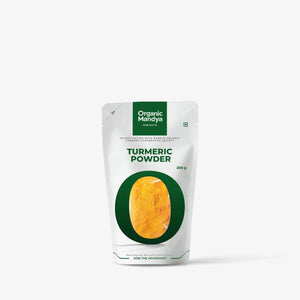
Turmeric (Curcuma longa, haldi) is India's most researched medicinal spice - with over 12,000 published scientific papers investigating its bioactive compound curcumin (2-5% by weight of dried turmeric). Curcumin has documented anti-inflammatory, antioxidant, antimicrobial, and anti-cancer properties across multiple clinical trials. According to a meta-analysis in the Journal of Medicinal Food (2016), curcumin supplementation at 1,000-2,000 mg/day significantly reduces inflammatory markers (CRP, TNF-alpha, IL-6) across 8 randomised controlled trials. The critical practical note: curcumin's bioavailability is only 1-2% when consumed alone, but increases 2,000% when combined with piperine (black pepper) - making haldi with kali mirch the traditional Indian preparation that modern science validates.
Key Active Compounds
|
Compound |
% in Turmeric |
Primary Effect |
|
Curcumin |
2-5% |
Anti-inflammatory (NF-kB, COX-2 inhibition); antioxidant |
|
Demethoxycurcumin |
1-2% |
Anti-inflammatory; antioxidant |
|
Bisdemethoxycurcumin |
0.5-1% |
Anti-inflammatory |
|
Turmerone (ar-turmerone) |
In essential oil |
Neuroprotective; stem cell proliferation |
|
Turmeric essential oil |
3-5% |
Antimicrobial; aromatic |
20 Proven Benefits of Turmeric
INFLAMMATION & PAIN:
1. Chronic Inflammation Reduction: Curcumin inhibits NF-kB (master inflammatory switch) and COX-2 enzymes. Meta-analysis confirms significant CRP reduction at 1,000+ mg/day.
2. Joint Pain / Arthritis Relief: Multiple RCTs show curcumin is as effective as ibuprofen for osteoarthritis knee pain with fewer side effects.
3. Muscle Recovery Post-Exercise: Anti-inflammatory action reduces delayed onset muscle soreness (DOMS) in athletes.
DIGESTIVE HEALTH:
4. Gut Inflammation (IBD Support): Curcumin reduces colonic inflammation markers; used as adjunct therapy in ulcerative colitis.
5. Digestive Enzyme Stimulation: Traditional haldi in cooking stimulates bile and gastric acid secretion.
6. Bloating and Gas Reduction: Carminative properties reduce post-meal bloating.
IMMUNE SYSTEM:
7. Immunomodulation: Curcumin enhances antibody response and natural killer cell activity.
8. Antimicrobial Action: Active against bacteria (S. aureus, E. coli), fungi (Candida), and viruses.
9. Wound Healing: Topical turmeric paste accelerates wound closure via anti-inflammatory and antimicrobial action - the traditional Indian wound remedy.
BRAIN & MOOD:
10. Neuroprotection: Curcumin crosses the blood-brain barrier; reduces amyloid plaque accumulation (Alzheimer's prevention research).
11. Mood and Depression: A 2014 RCT in Phytotherapy Research found curcumin as effective as fluoxetine for major depressive disorder.
12. Memory Support: Ar-turmerone promotes neural stem cell proliferation; curcumin improves BDNF (brain-derived neurotrophic factor) levels.
HEART & METABOLIC:
13. Cholesterol Management: Curcumin reduces LDL oxidation and improves HDL:LDL ratio.
14. Blood Sugar Regulation: Improves insulin sensitivity; reduces HbA1c in pre-diabetic populations.
15. Blood Pressure Support: Improves endothelial function; enhances nitric oxide production.
SKIN:
16. Anti-Acne: Antimicrobial (kills P. acnes bacteria) + anti-inflammatory (reduces redness and swelling).
17. Skin Brightening: Inhibits melanin overproduction through anti-inflammatory pathways (not bleaching).
18. Anti-Ageing: Antioxidant protection reduces UV-induced collagen breakdown.
HAIR:
19. Scalp Health: Antimicrobial and anti-inflammatory properties reduce dandruff and scalp irritation.
CANCER RESEARCH:
20. Anti-Cancer Properties (Research Stage): Curcumin demonstrates anti-proliferative, pro-apoptotic, and anti-angiogenic effects in laboratory and animal studies across multiple cancer types. Important: These are research findings, not treatment claims. Turmeric is NOT a cancer treatment. Consult your oncologist for any cancer-related decisions.
How to Maximise Bioavailability
|
Strategy |
Bioavailability Increase |
How |
|
Black pepper (piperine) |
2,000% increase |
Add 1/4 tsp black pepper per 1 tsp turmeric |
|
Fat (ghee, coconut oil) |
Significant increase |
Curcumin is fat-soluble; consume with dietary fat |
|
Heat (cooking) |
Moderate increase |
Cooking releases curcumin from turmeric matrix |
|
Combination: pepper + fat + heat |
Maximum |
The traditional haldi doodh / Indian curry method |
The Indian kitchen already knew: Traditional haldi doodh (turmeric milk) with ghee and kali mirch combines all three bioavailability enhancers: piperine (pepper), fat (ghee/milk fat), and heat (warm milk). Modern supplementation research is validating what Indian kitchens have practised for centuries.
Dosage Guide
|
Goal |
Daily Turmeric |
Curcumin Equivalent |
Form |
|
General health/cooking |
1-2 tsp turmeric powder |
50-100 mg curcumin |
Kitchen use (curry, dal, milk) |
|
Anti-inflammatory |
1-2 tsp + black pepper |
100-200 mg curcumin |
Haldi doodh with pepper and ghee |
|
Joint pain/arthritis |
Supplement: 500-1,000 mg curcumin |
500-1,000 mg |
Curcumin capsules with piperine |
|
Therapeutic (clinical doses) |
Supplement: 1,000-2,000 mg curcumin |
1,000-2,000 mg |
Under physician supervision |
Best Ways to Consume Turmeric
|
Preparation |
Curcumin Delivered |
Bioavailability |
Recipe |
|
Haldi Doodh (Golden Milk) |
~50-100 mg per cup |
High (fat + pepper + heat) |
1 cup warm milk + 1 tsp turmeric + 1/4 tsp pepper + 1/2 tsp ghee + honey |
|
Dal/curry with haldi |
~30-50 mg per serving |
High (cooking + oil + pepper in masala) |
Standard Indian cooking |
|
Turmeric paste (topical) |
N/A (topical) |
Direct skin application |
Turmeric + milk cream + honey |
|
Turmeric tea |
~30-50 mg per cup |
Moderate |
Boil turmeric in water + lemon + honey |
|
Raw turmeric juice |
~100-200 mg |
Low (no fat/pepper) |
Juice fresh turmeric root + amla |
|
Curcumin supplements |
500-2,000 mg |
Variable (depends on formulation) |
Capsules with piperine or phospholipid |
Side Effects and Precautions
-
Gallstones: Turmeric stimulates bile secretion. Avoid high doses with existing gallstones.
-
Blood thinners: Curcumin has mild antiplatelet activity. Consult a physician if on warfarin or aspirin therapy.
-
Iron absorption: Very high turmeric doses may reduce iron absorption. Consume turmeric and iron-rich foods at different times if anaemic.
-
Pregnancy: Culinary amounts (1-2 tsp/day) are safe. Avoid therapeutic supplement doses (1,000+ mg curcumin) during pregnancy.
-
Skin staining: Topical turmeric temporarily stains skin yellow. Mix with gram flour (besan) to reduce staining.
-
Stomach upset: High doses on an empty stomach may cause nausea. Take with food.
About This Article
Sources: Journal of Medicinal Food 2016 (meta-analysis); Phytotherapy Research 2014 (depression RCT); published curcumin-piperine bioavailability research; Ayurvedic Pharmacopoeia of India; ICMR food composition data.
FAQs
Q1. What are the main turmeric benefits?
Turmeric's 20 proven benefits span: inflammation reduction (NF-kB, COX-2 inhibition), joint pain relief, muscle recovery, gut health, immune support, wound healing, neuroprotection, mood improvement, cholesterol management, blood sugar regulation, skin health (anti-acne, brightening, anti-aging), scalp health, and anti-cancer research properties. Curcumin (2-5% of turmeric) is the primary bioactive compound responsible for these effects.
Q2. How much turmeric per day is healthy?
For general health: 1-2 tsp turmeric powder daily in cooking with black pepper and fat. For therapeutic benefit: 500-1,000 mg curcumin supplement with piperine. For clinical conditions: 1,000-2,000 mg curcumin under physician supervision. Always consume with black pepper (2,000% bioavailability increase) and dietary fat.
Q3. Is turmeric good for skin?
Yes - turmeric's curcumin is antimicrobial (kills P. acnes), anti-inflammatory (reduces redness), and antioxidant (prevents UV collagen damage). For skin benefits: consume haldi doodh daily (internal) and apply turmeric + milk cream + honey paste weekly (topical). Beware of temporary yellow staining from topical use.
Q4. What is the best way to consume turmeric?
Haldi doodh (golden milk) is the most effective preparation: warm milk + 1 tsp turmeric + 1/4 tsp black pepper + 1/2 tsp ghee + honey. This combines all three bioavailability enhancers (piperine, fat, heat) in a single, traditional Indian preparation.


