


Is Suji Healthy? Honest Answer + Safety Guide


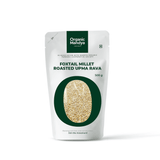
Suji (rava/semolina) is partially healthy - it provides 10.3 g protein per 100 g (comparable to whole wheat) and is a good source of B-vitamins and iron, but it has significant nutritional limitations: a high glycaemic index (~65), very low fibre (0.2 g per 100 g - essentially zero), and it contains gluten. According to the ICMR Indian Food Composition Tables 2017, suji is the coarsely ground endosperm of durum wheat (Triticum durum) with the bran and germ removed - making it a refined grain, not a whole grain. The honest verdict: suji is acceptable as an occasional food in a varied diet but should not be a daily staple for diabetics, weight-conscious individuals, or anyone seeking high-fibre nutrition.
Is Suji Healthy?
|
Aspect |
Verdict |
Detail |
|
Protein |
Good |
10.3 g/100g - comparable to whole wheat |
|
Fibre |
Very poor |
0.2 g/100g - essentially zero |
|
GI |
High |
~65 - spikes blood sugar |
|
Iron |
Good |
4.0 mg/100g |
|
Gluten |
Contains |
Not safe for celiac disease |
|
Processing |
Refined |
Bran and germ removed; not whole grain |
|
Overall verdict |
Occasional food, not daily staple |
Acceptable in moderation; not for diabetics or weight loss |
What Is Suji?
Suji (also called rava, sooji, semolina) is the coarsely ground endosperm of durum wheat (Triticum durum) or common wheat (Triticum aestivum). During milling, the bran (outer fibre layer) and germ (nutrient-rich embryo) are removed - leaving only the starchy endosperm. This makes suji a refined grain, nutritionally closer to maida than to whole wheat atta.
Regional names:
|
Language |
Name |
|
Hindi |
Suji / Sooji |
|
Kannada |
Rava |
|
Tamil |
Rava / Ravai |
|
Telugu |
Bombay Rava / Upma Rava |
|
Marathi |
Rava |
|
Bengali |
Suji |
|
English |
Semolina |
Nutritional Profile per 100g
Source: ICMR Indian Food Composition Tables 2017; USDA Food Data Central.
|
Nutrient |
Suji (Rava) |
Whole Wheat Atta |
Ragi Flour |
Notes |
|
Energy (kcal) |
348 |
341 |
336 |
Comparable |
|
Protein (g) |
10.3 |
11.8 |
7.3 |
Suji is moderate |
|
Carbohydrates (g) |
73.3 |
71.2 |
72.0 |
All similar |
|
Dietary Fibre (g) |
0.2 |
12.2 |
11.2 |
Suji has 60x less fibre than wheat |
|
Total Fat (g) |
0.8 |
1.5 |
1.3 |
Very low |
|
Calcium (mg) |
28 |
48 |
344 |
Low |
|
Iron (mg) |
4.0 |
4.9 |
3.9 |
Moderate |
|
GI |
~65 |
~70 |
~54 |
Suji is high but lower than wheat |
|
Gluten |
Present |
Present |
None |
Suji contains gluten |
The Case FOR Suji (Benefits)
1. Decent Protein (10.3 g/100g): Suji provides meaningful plant protein - comparable to most grains and adequate for a breakfast that includes dal or curd as accompaniment.
2. Quick-Cooking Versatility: Upma (10 minutes), rava idli (15 minutes), suji halwa (10 minutes), rava dosa - suji is one of the most versatile breakfast ingredients in the Indian kitchen.
3. Moderate Iron (4.0 mg/100g): Contributes to daily iron intake, especially relevant for the 57% of Indian women who are anaemic (NFHS-5).
4. Low Fat (0.8 g/100g): Suji itself is very low in fat - the fat comes from the oil/ghee used in cooking. A dry-roasted suji preparation is low-calorie.
5. Easy Digestibility: The absence of bran makes suji gentler on sensitive stomachs - suitable for illness recovery, elderly individuals, and children.
6. B-Vitamins (Thiamine, Niacin, Folate): Suji retains meaningful B-vitamin content from the wheat endosperm.
The Case AGAINST Suji (Limitations)
1. Virtually Zero Fibre (0.2 g/100g): This is suji's most significant nutritional weakness. Whole wheat atta has 12.2 g fibre; ragi has 11.2 g. Suji has 0.2 g. This means suji provides no gut health benefit, no prebiotic effect, no cholesterol-binding fibre, and no sustained satiety.
2. High GI (~65): Suji spikes blood sugar relatively quickly - faster than ragi (~54), jowar (~55), and comparable to white rice (~73). For the 11.4% of Indian adults with diabetes (IDF 2024), regular suji consumption is not advisable without significant modifications.
3. Refined Grain (Bran and Germ Removed): The milling process removes the bran (where fibre, B-vitamins, and minerals concentrate) and germ (where Vitamin E, healthy fats, and zinc concentrate). Suji is nutritionally a partially depleted grain.
4. Contains Gluten: Suji is not safe for celiac disease (1% of the population) or non-celiac gluten sensitivity (estimated 5-10%).
5. Low Satiety: The zero-fibre, moderate-GI profile means suji-based breakfasts produce hunger within 2-3 hours. Whole-grain or millet-based breakfasts sustain satiety for 4-5 hours.
Suji vs Healthier Alternatives
|
Breakfast Grain |
Protein (g) |
Fibre (g) |
GI |
Gluten |
Healthier Than Suji? |
|
Suji (rava) |
10.3 |
0.2 |
~65 |
Yes |
Reference |
|
Oats |
13.2 |
10.1 |
~55 |
Trace |
Yes - much more fibre, lower GI |
|
Ragi flour |
7.3 |
11.2 |
~54 |
None |
Yes - calcium, fibre, gluten-free |
|
Jowar rava |
10.4 |
6.3 |
~55 |
None |
Yes - fibre, magnesium, gluten-free |
|
Dalia (broken wheat) |
11.8 |
12.2 |
~50 |
Yes |
Yes - whole grain, much more fibre |
|
Poha (flattened rice) |
6.6 |
1.2 |
~65 |
None |
Comparable - lower protein but gluten-free |
|
Foxtail millet rava |
12.3 |
8.0 |
~50 |
None |
Yes - highest protein, more fibre, lower GI |
The best swap: Replace suji upma with jowar rava upma or foxtail millet rava upma. The cooking method is identical; the nutritional upgrade is dramatic (6.3-8.0 g fibre vs 0.2 g, GI 50-55 vs 65, and gluten-free).
Who Should Eat Suji and Who Should Avoid
|
Group |
Recommendation |
Reason |
|
Healthy adults (occasional) |
Acceptable 2-3 times/week |
Part of a varied diet; not daily |
|
Diabetics |
Avoid or limit heavily |
GI ~65 + zero fibre = blood sugar spikes |
|
Weight loss |
Replace with millet rava |
Zero fibre = poor satiety = hunger in 2 hours |
|
Celiac disease |
Avoid completely |
Contains wheat gluten |
|
Children |
Acceptable for upma, halwa |
Easy to digest; supplement with fruits and milk |
|
Elderly / illness recovery |
Acceptable |
Light, easy to digest; gentle on compromised digestion |
|
Athletes |
Acceptable pre-workout |
Quick energy source; pair with protein |
How to Make Suji Healthier
-
Add vegetables: Mixed vegetable upma adds fibre, vitamins, and volume at minimal extra calories
-
Add dal powder: Mix 20% roasted moong dal powder with suji for a protein and fibre boost
-
Use millet rava: Replace 50-100% of suji with jowar rava or foxtail millet rava
-
Add flaxseed: 1 tbsp ground flaxseed per serving adds 2 g fibre and omega-3
-
Pair with protein: Always serve suji preparations with curd, dal, or egg to slow glucose absorption
-
Reduce ghee/sugar: Suji halwa's health problem is primarily the ghee (3-4 tbsp) and sugar (1/2 cup), not the suji itself
About This Article
Sources: ICMR Indian Food Composition Tables 2017; USDA Food Data Central; IDF Diabetes Atlas 2024; NFHS-5 (2019-21); Atkinson et al., Diabetes Care, 2008.
FAQs
Q1. Is suji healthy?
Partially. Suji provides 10.3 g protein and 4.0 mg iron per 100 g, but has virtually zero fibre (0.2 g), a high GI (~65), and contains gluten. It is a refined grain (bran and germ removed). Suji is acceptable as an occasional food 2-3 times per week but is not ideal as a daily staple. For a healthier breakfast grain, switch to jowar rava (6.3 g fibre, GI ~55, gluten-free) or dalia (12.2 g fibre, GI ~50).
Q2. Is suji good for weight loss?
No - suji is not recommended for weight loss. Its virtually zero fibre (0.2 g/100g) provides no satiety, and its GI of ~65 causes blood sugar spikes followed by hunger within 2-3 hours. Better alternatives: oats (10.1 g fibre, GI ~55), ragi porridge (11.2 g fibre, GI ~54), or foxtail millet upma (8.0 g fibre, GI ~50).
Q3. Is suji good for diabetes?
Not recommended. Suji's GI of ~65 and zero fibre cause rapid blood sugar spikes without the fibre-mediated glucose slowing that whole grains provide. Diabetics should replace suji with dalia (GI ~50), ragi rava (GI ~54), or jowar rava (GI ~55) for the same upma/porridge preparations.
Q4. Is suji gluten-free?
No - suji is made from wheat (Triticum durum or aestivum) and contains significant gluten. It is not safe for celiac disease or non-celiac gluten sensitivity. For gluten-free alternatives with similar cooking applications, use jowar rava, ragi rava, foxtail millet rava, or rice rava.
Q5. What is the difference between suji and dalia?
Suji is the refined endosperm of wheat (bran and germ removed) - 0.2 g fibre, GI ~65. Dalia is cracked/broken WHOLE wheat (bran and germ intact) - 12.2 g fibre, GI ~50. Dalia is dramatically healthier than suji because it retains the whole grain nutrition. For upma-style preparations, dalia is the superior choice.


