


Moong Dal Khichdi Benefits: Easy Recipe Step-by-Step (Authentic Indian)

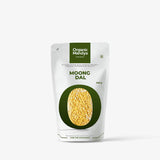
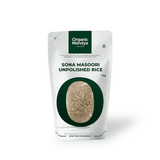
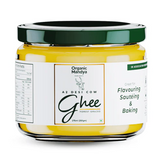
Moong dal khichdi is India's most prescribed recovery food and one of the most nutritionally balanced one-pot meals in any global cuisine. A single bowl (250 g cooked, prepared from approximately 40 g rice and 20 g split moong dal) delivers 12-15 g complete protein (dal provides lysine that rice lacks; rice provides methionine that dal lacks), a glycaemic index of approximately 35-40 (the lowest of any common Indian one-pot meal), and only 200-250 kcal. The Charaka Samhita - one of Ayurveda's foundational texts - classifies moong dal khichdi as pathya (therapeutic diet) and recommends it for fever recovery (jwara chikitsa), post-surgical healing, digestive weakness (agni mandya), elderly nutrition, and infant weaning.
Buy from Organic Mandya


Quick Nutrition Summary
Per 1 bowl (~250 g cooked, from 40 g rice + 20 g moong dal + 1 tsp ghee + vegetables).
|
Nutrient |
Per Serving |
% RDA |
Notes |
|
Calories |
200-250 kcal |
10-13% |
Low-moderate calorie density |
|
Protein |
12-15 g |
22-28% |
Complete amino acid profile (rice + dal complement) |
|
Carbohydrates |
35-40 g |
- |
Complex carbs; slow-release |
|
Fat |
4-5 g |
- |
From ghee tadka (butyric acid source) |
|
Dietary Fibre |
3-4 g |
12-16% |
From dal and added vegetables |
|
Glycaemic Index (blended) |
~35-40 |
Very low |
Lowest GI of any common Indian one-pot meal |
|
Iron |
1.5-2 mg |
9-12% |
From moong dal |
|
Zinc |
1-1.5 mg |
9-14% |
From moong dal |
|
Folate |
30-50 mcg |
8-13% |
From moong dal |
Seven Science-Backed Benefits
1. Complete Protein from a Single Pot (Rice + Dal Amino Acid Complement):
This is khichdi's most important nutritional feature. Rice is rich in methionine but low in lysine. Moong dal is rich in lysine but low in methionine. When cooked together, the amino acid profiles complement each other perfectly, creating a complete protein with all 9 essential amino acids in adequate ratios. No animal protein is needed. This rice-legume complementation is the scientific basis for India's traditional dal-chawal combination that has sustained vegetarian populations for millennia.
2. Ultra-Low Glycaemic Index (~35-40):
Moong dal has one of the lowest GIs of any Indian food (~38). When combined with rice (GI ~73), the blended khichdi has a GI of only approximately 35-40 - dramatically lower than rice alone. The dal's protein and fibre slow the digestion of rice starch, preventing the rapid glucose spike that plain rice causes. For the 11.4% of Indian adults with diabetes (IDF 2024), replacing one daily rice meal with moong dal khichdi reduces cumulative glycaemic load significantly.
3. Easiest Digestibility of Any Indian Meal:
Split moong dal (dhuli moong) is the most easily digested pulse in the Indian legume family. Ayurveda classifies it as laghu (light) and tridoshahara (balancing to all three doshas). Combined with well-cooked rice in a soft, porridge-like consistency, khichdi requires minimal digestive effort - making it the default food for illness recovery, post-surgery, elderly individuals with weak digestion, and babies transitioning to solid food.
4. Gut-Healing Properties:
The soft, porridge consistency coats the gastric mucosa, providing a physical protective layer. The ghee tadka adds butyric acid (3.5-4.5 g/100g ghee) that feeds colonocytes (colon lining cells) and reduces gut inflammation. Turmeric adds curcumin, a documented anti-inflammatory compound. Together, these make khichdi one of the most gut-friendly meals available.
5. Ideal Baby Weaning Food (7+ Months):
Moong dal khichdi - cooked very soft and mashed smooth without salt or spices - is one of India's most trusted first solid foods for babies from 7 months onwards. It provides complete protein, gentle digestibility, iron, zinc, and folate in a smooth, easily swallowed consistency. Paediatricians and the WHO both support introducing well-cooked dal-rice combinations during complementary feeding.
6. Weight Loss Friendly (~200-250 kcal per Bowl with 4+ Hour Satiety):
The combination of complete protein (12-15 g) and very low GI (~35-40) creates sustained satiety lasting 4 or more hours after a single bowl. At only 200-250 kcal, moong dal khichdi has one of the best satiety-per-calorie ratios of any Indian meal. For weight loss, increase the dal-to-rice ratio and add vegetables for fibre and volume.
7. Ayurvedic Therapeutic Diet (Pathya) - 3,000+ Years of Clinical Use:
The Charaka Samhita prescribes moong dal khichdi for: jwara (fever recovery), shodhana anupana (post-purification diet), agni mandya (weak digestive fire), bala shosha (childhood wasting), and vridha ahara (elderly nutrition). This is not folk medicine - it is a systematic clinical dietary prescription that has been validated through 3,000+ years of continuous use and is now supported by modern nutritional science.
Moong Dal Khichdi vs Other Indian One-Pot Meals
|
Meal |
Protein/Serving |
GI |
Calories |
Digestibility |
Complete Protein? |
|
Moong dal khichdi |
12-15 g |
~35-40 |
200-250 |
Easiest |
Yes |
|
Rajma-chawal |
15-18 g |
~55-60 |
350-400 |
Moderate (rajma harder to digest) |
Yes |
|
Chole-chawal |
12-15 g |
~55-60 |
350-400 |
Moderate |
Yes |
|
10-12 g |
~45-50 |
250-300 |
Easy |
Yes |
|
|
Sambar rice |
8-10 g |
~55-60 |
280-320 |
Easy |
Yes |
|
Biryani (veg) |
8-10 g |
~60-65 |
350-450 |
Moderate |
Partial |
|
Plain rice + sabzi |
5-7 g |
~70-73 |
300-350 |
Easy |
No |
|
Millet khichdi (jowar + moong) |
14-16 g |
~30-35 |
200-250 |
Easy |
Yes |
Complete Authentic Recipe
Ingredients (2 servings):
|
Ingredient |
Amount |
Role |
|
Rice (basmati or sona masuri) |
1/2 cup (80 g) |
Carbohydrate-based; methionine source |
|
Moong dal (split, washed - dhuli moong) |
1/4 cup (40 g) |
Protein: lysine source |
|
1 tsp (5 g) |
Butyric acid; flavour; vehicle for turmeric absorption |
|
|
Turmeric (haldi) |
1/4 tsp |
Anti-inflammatory (curcumin) |
|
Cumin seeds (jeera) |
1/2 tsp |
Digestive stimulant; flavour |
|
Salt |
To taste |
Electrolyte; palatability |
|
Water |
3 cups (for soft khichdi) |
Cooking medium |
|
Optional: chopped vegetables |
1/4 cup each carrot, beans, peas |
Additional fibre, vitamins, minerals |
|
Optional: ginger (grated) |
1/2 tsp |
Digestive aid; anti-nausea |
|
Optional: asafoetida (hing) |
Pinch |
Anti-flatulence; digestive |
Method:
-
Wash: Rinse rice and moong dal together in 2-3 changes of water until water runs mostly clear. Optional: soak for 15-20 minutes (reduces cooking time and improves digestibility).
-
Temper (tadka): In a pressure cooker, heat 1 tsp ghee on medium flame. Add cumin seeds. When they splutter (10-15 seconds), add turmeric and hing (if using). Stir for 5 seconds.
-
Add ingredients: Add washed rice, dal, vegetables (if using), ginger (if using), salt, and 3 cups of water. Stir gently.
-
Pressure cook: Close lid. Cook for 3 whistles on medium flame.
-
Natural release: Turn off the heat. Let pressure release naturally (10-15 minutes). Do NOT open under pressure.
-
Adjust consistency: Open lid. Stir gently. The khichdi should be soft and porridge-like. Add more hot water if you prefer a thinner consistency.
-
Serve: Serve hot with a dollop of ghee on top, a lemon wedge, and papad or pickle on the side.
Total time: 25 minutes (5 min prep + 15 min cook + 5 min rest).
Variations for Specific Health Goals
|
Goal |
Modification |
Effect |
|
Weight loss |
Reduce rice to 30 g; increase dal to 30 g; add more vegetables |
Higher protein:carb ratio; more fibre |
|
Diabetes |
Replace white rice with brown rice or millets |
Lower GI; more fibre |
|
Baby food (7+ months) |
Cook extra soft; mash smooth; NO salt or spice |
Safe first solid food |
|
Illness recovery |
Keep plain (only turmeric + salt); very thin consistency |
Maximum digestive ease |
|
Protein boost |
Add 1 tbsp roasted peanuts or 30 g paneer cubes |
Additional 5-7 g protein |
|
Millet khichdi |
Replace rice with jowar, foxtail, or proso millet |
Lower GI; more minerals |
|
Gut healing |
Add extra ghee (2 tsp); add ginger |
More butyric acid; anti-inflammatory |
Who Should Eat Khichdi (and When)
|
Group |
When |
Why |
|
Fever/illness recovery |
During and after illness |
Easiest to digest; complete protein for healing |
|
Post-surgery |
3-7 days after surgery |
Gentle; nutritive; does not tax digestion |
|
Diabetics |
Regular lunch/dinner |
Ultra-low GI (~35-40); blood sugar-friendly |
|
Weight-loss dieters |
Dinner or lunch |
200-250 kcal; 4+ hour satiety |
|
Babies (7+ months) |
As weaning food |
Complete protein; smooth; no spice version |
|
Elderly |
Daily meal |
Easy to chew and digest; complete nutrition |
|
Pregnant women |
Any trimester |
Folate; iron; gentle; nausea-friendly |
|
Fasting recovery |
After prolonged fasting |
Re-introduces food gently |
The Ayurvedic Science Behind Khichdi
Ayurveda considers moong dal khichdi the gold standard of pathya (therapeutic diet) because it satisfies three criteria simultaneously: (1) laghu (light to digest), (2) balya (strength-giving through complete protein), and (3) tridoshahara (balancing to vata, pitta, and kapha). No other single preparation in Ayurvedic dietetics achieves all three properties with this degree of consensus across classical texts.
Common Mistakes When Making Khichdi
|
Mistake |
Problem |
Fix |
|
Using whole moong (not split) |
Harder to digest; longer cooking |
Always use split, washed (dhuli) moong dal |
|
Too little water |
Khichdi becomes dry and rice-like |
1:5 total grain:water ratio minimum |
|
Skipping ghee tadka |
Loses butyric acid and turmeric absorption |
Even 1/2 tsp ghee transforms the dish |
|
Over-spicing for a sick person |
Defeats digestive ease purpose |
Turmeric + salt only for recovery meals |
|
Using toor/chana/masoor dal |
Different digestibility profiles |
Moong is the lightest; toor is medium; chana is the heaviest |
Cook khichdi tonight
FAQs
Q1. What are the benefits of moong dal khichdi?
Seven key benefits: (1) complete protein from one pot (rice + dal amino acid complement), (2) ultra-low GI of ~35-40 (lowest of any common Indian meal), (3) easiest digestibility of any Indian meal, (4) gut-healing properties (ghee butyric acid + turmeric curcumin), (5) ideal baby weaning food from 7+ months, (6) weight loss friendly at only 200-250 kcal with 4+ hour satiety, and (7) Ayurvedic therapeutic diet (pathya) prescribed for 3,000+ years.
Q2. Is moong dal khichdi good for weight loss?
Yes - at 200-250 kcal per bowl with 12-15 g complete protein and GI ~35-40, khichdi creates sustained satiety lasting 4+ hours. For enhanced weight loss: increase dal proportion to 1:1 with rice, add vegetables for fibre and volume, limit ghee to 1/2 tsp, and use brown rice or millets instead of white rice.
Q3. Can babies eat moong dal khichdi?
Yes - from 7 months onwards as a weaning food. Cook very soft (4 whistles in a pressure cooker with extra water), mash or blend smooth, and serve without salt or any spices for babies under 10 months. It provides complete protein, iron, zinc, and folate in easily digestible form - exactly what growing infants need.
Q4. Is khichdi better than dal-chawal?
Nutritionally, moong dal khichdi (rice and dal cooked together) has a lower blended GI than eating dal and rice separately. When cooked together, the dal protein slows rice starch digestion more effectively than eating them side by side. The porridge-like consistency also improves digestibility. For maximum nutrition, khichdi is the superior preparation.
Q5. How often can I eat khichdi?
Daily consumption of moong dal khichdi is safe and healthy. Many Ayurvedic practitioners recommend khichdi for one meal daily as part of a therapeutic or cleansing diet. For general health, 3-5 times per week is a practical frequency that provides variety while delivering regular nutritional benefits.
Q6. What is the best dal for khichdi?
Split moong dal (dhuli moong) is the best for digestive ease and Ayurvedic recommendations. For higher protein: split toor dal. For weight loss: split masoor dal (the lowest-calorie lentil). Avoid whole moong (harder to digest) and chana dal (heaviest pulse) for therapeutic khichdi. See our [millet khichdi recipe] for a gluten-free millet-based version.
Q7. Can I make khichdi without a pressure cooker?
Yes - use a heavy-bottomed pot with a lid. Soak rice and dal for 30 minutes. Cook on low heat with 4 cups of water per cup of grain mixture. Stir occasionally. Total cooking time: 30-40 minutes (versus 15-20 minutes in a pressure cooker).


