


7 Herbs Agarbatti: Your Complete Guide to Benefits, Uses & Why Organic Is Different

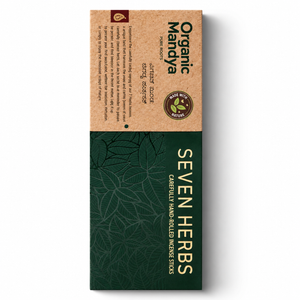
Seven Herbs Agarbatti (7 Herbs Incense Sticks) is Organic Mandya's signature herbal incense - handrolled sticks made with seven traditional Ayurvedic herbs blended on a bamboo core with natural gum binding, producing fragrant smoke that purifies the air, calms the mind, and fills your home with genuine herbal aroma instead of the synthetic chemical fumes that commercial agarbatti brands pump into Indian households daily. India is the world's largest agarbatti market (over Rs 12,000 crore annually), yet an estimated 90%+ of commercial incense sticks use synthetic fragrance oils dissolved in DPG (dipropylene glycol) and applied to charcoal-coated bamboo sticks. When you burn these, your pooja room fills with vaporised DPG, synthetic musks, and charcoal combustion products, all of which are respiratory irritants. Organic Mandya's 7 Herbs Agarbatti uses zero synthetic fragrance, zero DPG, zero charcoal base, and zero chemical dipping. Every stick is handrolled with real herbs, real resin, and real natural gum on a bamboo core. The fragrance comes from the herbs themselves, not from a chemical factory.
What Is Herbal Agarbatti (Natural Incense)?
Agarbatti (incense sticks) in their original form are thin bamboo sticks coated with a paste of aromatic herbs, resins, essential oils, and natural gum binder. When lit, the aromatic paste burns slowly along the stick, releasing fragrant herbal smoke. This is the "masala" method of agarbatti making - the traditional Indian approach that has been used for over 5,000 years in Vedic rituals, Buddhist meditation, and daily Hindu pooja.
The modern commercial method (which dominates the market) is entirely different: a bamboo stick is coated with charcoal powder and wood dust (the black coating on commercial agarbatti), dipped in a solution of synthetic fragrance oil dissolved in DPG (dipropylene glycol), and dried. The fragrance has nothing to do with herbs, resins, or natural materials - it is entirely synthetic chemistry applied to a charcoal base.
Organic Mandya's 7 Herbs Agarbatti follows the traditional masala method. Seven Ayurvedic herbs are ground, blended with natural resin (sambrani/benzoin, sandalwood powder), bound with natural jigit gum (Lannea coromandelica), and handrolled onto bamboo sticks. No charcoal coating, no DPG dipping, no synthetic fragrance whatsoever.
The seven herbs are selected from the traditional Ayurvedic pharmacopoeia for their aromatic, antimicrobial, and calming properties. The exact formulation is proprietary, but the approach follows havan samagri (Vedic fire ceremony ingredients) traditions where specific herbs are burned for air purification, spiritual cleansing, and therapeutic fumigation.
How Is Organic 7 Herbs Agarbatti Different from Commercial Agarbatti?
|
What We Are Comparing |
Organic Mandya 7 Herbs |
Commercial Agarbatti (90%+ of market) |
|
Fragrance source |
7 real Ayurvedic herbs + natural resin |
Synthetic fragrance oil in DPG solvent |
|
Base coating |
Herb-resin paste (masala method) |
Charcoal powder + wood dust |
|
Binding agent |
Natural jigit gum (Lannea coromandelica) |
Chemical binders |
|
DPG content |
Zero |
Primary fragrance carrier |
|
Making method |
Handrolled (traditional) |
Machine-dipped (industrial) |
|
Smoke colour |
Light grey-white (herb smoke) |
Dark grey-black (charcoal smoke) |
|
Smoke smell |
Complex, herbal, layered |
One-dimensional, synthetic, sharp |
|
After-smell |
Pleasant herbal residue |
Chemical residue; headache-inducing for many |
|
Respiratory impact |
Traditional herbal fumigation |
DPG vapour + charcoal particles (irritant) |
|
Residue/ash |
Light, natural ash |
Black, charcoal-heavy ash |
The DPG problem explained: DPG (dipropylene glycol) is a petroleum-derived solvent used to dissolve synthetic fragrance oils for commercial agarbatti dipping. When an agarbatti burns, the DPG vapourises, and you inhale it along with the synthetic fragrance. DPG vapour is a known respiratory irritant. In homes where agarbatti is burned daily (which is most Indian homes), the cumulative DPG exposure is significant - particularly for children, the elderly, and individuals with respiratory conditions.
What Are the Benefits of 7 Herbs Agarbatti?
1. Zero DPG, zero synthetic fragrance - genuinely safe to breathe. The single most important benefit. When you burn organic herbal agarbatti, the smoke contains vapourised herbal compounds (the same compounds released in Ayurvedic fumigation and Vedic havan), not synthetic chemicals. Your daily pooja becomes a wellness practice rather than a chemical exposure event.
2. Antimicrobial herbal smoke (air purification). The seven herbs in this agarbatti are selected from the havan samagri tradition, where herbal smoke is used specifically for air purification. Published research on Vedic havan smoke shows significant reduction in airborne bacteria. Herbal agarbatti provides a milder version of this fumigation effect during daily burning.
3. Genuine aromatherapy (not simulated fragrance). The scent of herbal agarbatti is complex, layered, and changes as different herbs vapourise at different temperatures during burning. This multi-layered aromatic experience engages the olfactory system differently from one-dimensional synthetic fragrance - providing deeper calming and meditative effects.
4. Meditation and prayer enhancement. The calming herbal smoke creates an atmosphere conducive to focused meditation and prayer. Traditional Indian spiritual practice has used herbal incense for over 5,000 years precisely because specific herbal aromas facilitate mental stillness and spiritual receptivity.
5. Natural mosquito and insect repelling. Several traditional havan herbs have documented insect-repellent properties. Burning herbal agarbatti in the evening provides supplementary natural insect repellent benefits alongside its fragrance and spiritual functions.
6. Supports traditional artisan livelihoods. Handrolled masala agarbatti production supports traditional rolling artisans (primarily women artisans in Karnataka, the largest agarbatti-producing state). Machine-dipped commercial agarbatti has displaced millions of these artisan jobs. Choosing handrolled supports both quality and livelihoods.
How Do I Use 7 Herbs Agarbatti?
|
Use |
How |
Duration |
Best Placement |
|
Morning pooja |
Light 1-2 sticks; place in agarbatti holder in pooja room |
25-35 min per stick |
Pooja room; near deity |
|
Evening sandhya |
Light 1 stick at dusk |
25-35 min |
Pooja room or tulsi plant area |
|
Meditation/yoga |
Light 1 stick before practice; let fragrance fill room |
During practice |
Meditation corner; yoga room |
|
Home fragrance |
Light 1 stick in living area |
25-35 min |
Living room; entrance area |
|
Mosquito repelling |
Light near windows/doors before sunset |
25-35 min |
Window sills; door frames |
|
After cooking |
Light 1 stick to replace kitchen odours |
25-35 min |
Dining area or kitchen entrance |
|
Study/work focus |
Light 1 stick for aromatic ambiance |
25-35 min |
Study table area (ventilated) |
Safety: Always use a proper agarbatti holder on a fireproof surface. Ensure room ventilation (crack a window). Keep away from curtains, papers, and flammable items. Never leave burning agarbatti unattended. Extinguish before leaving the room for extended periods.
Who Should Switch to Organic Herbal Agarbatti?
|
If You Are... |
Should You Switch? |
Why |
|
Burning agarbatti daily for pooja |
Yes - highest priority |
Daily DPG and synthetic fragrance exposure is cumulative |
|
Having headaches from agarbatti smoke |
Yes - likely DPG sensitivity |
Organic herbal agarbatti eliminates synthetic irritants |
|
Having respiratory sensitivity |
Yes (with ventilation) |
Herbal smoke is far gentler than charcoal + DPG smoke |
|
Wanting genuine spiritual practice |
Yes |
Traditional Vedic incense was always herbal, never synthetic |
|
Practicing meditation regularly |
Yes |
Complex herbal aroma enhances meditative focus |
|
Having young children at home |
Yes - reduce chemical exposure |
Children's developing lungs are more vulnerable to DPG |
|
An asthma patient |
Minimise all smoke; consult doctor |
Even herbal smoke is still smoke; use only with medical guidance |
If you're exploring home essentials beyond a single product, it's worth understanding how agarbatti, sambrani cups, incense blends, and other natural home essentials compare. Read our Complete Home Essentials Guide to learn how each product is made, its traditional uses, benefits, and how to choose authentic, naturally crafted home essentials for your home and family
How Do I Know This Agarbatti Is Genuinely Herbal?
The visual test: break a stick in half and examine the coating. Organic herbal agarbatti has a brown-green, textured, herb-flecked coating. Commercial charcoal agarbatti has a smooth, uniform black coating. The smell test: an unlit herbal agarbatti has a mild, natural herbal scent. Commercial agarbatti has a strong synthetic fragrance even unlit (from DPG-dissolved fragrance). The ash test: herbal agarbatti produces light, whitish ash. Charcoal agarbatti produces dark, heavy black ash.
Quality tested at trust.organicmandya.com. FSSAI licence (#11219322000392).
Why Your Daily Agarbatti Choice Is a Health Decision, Not Just a Fragrance Preference
The average Indian household burns 2-3 agarbatti sticks daily - approximately 730-1,095 sticks per year. Each stick burns for 25-35 minutes, releasing its contents into the enclosed air of your home. Over a year, that is 300-600 hours of smoke exposure for your family. If those sticks are commercial DPG-dipped charcoal agarbatti, your family inhales synthetic fragrance vapour, DPG fumes, and charcoal combustion particles for 300-600 hours annually. If those sticks are organic herbal agarbatti, your family inhales the same herbal smoke that Vedic tradition has used for air purification for 5,000 years. The choice is not about fragrance preference. It is about what you are willing to let your family breathe, every single day, for decades.
Looking to build a healthier, chemical-free kitchen beyond this topic? Explore our comprehensive guide covering everything from cold-pressed oils and A2 dairy to millets, spices, dals, fruits, vegetables, natural sweeteners, snacks, home essentials, and more. It brings together practical buying advice, ingredient comparisons, and trusted information to help you make informed choices for every part of your kitchen.
Explore the Complete Chemical-Free Kitchen Guide
FAQs
Q1. What is 7 herbs agarbatti?
Handrolled incense sticks made with seven traditional Ayurvedic herbs, natural resin, and natural gum binder on a bamboo core. Zero synthetic fragrance, zero DPG, zero charcoal base. The traditional masala method of agarbatti making.
Q2. What is the difference between herbal and regular agarbatti?
Herbal (masala method): real herbs and resins handrolled onto bamboo. Regular (dipping method): charcoal-coated bamboo dipped in synthetic fragrance dissolved in DPG solvent. The smoke composition is fundamentally different - herbal compounds vs synthetic chemicals.
Q3. Is herbal agarbatti better for health?
Significantly. Eliminates DPG vapour exposure, synthetic fragrance chemicals, and charcoal combustion particles. Herbal smoke contains plant-derived compounds used in Ayurvedic fumigation for millennia. Still smoke (ensure ventilation), but vastly cleaner than commercial alternatives.
Q4. How long does one stick burn?
Approximately 25-35 minutes depending on the stick thickness and airflow. Handrolled masala agarbatti tends to burn slightly longer than machine-dipped sticks due to the denser herb paste coating.
Q5. Can I use herbal agarbatti for meditation?
Yes - herbal agarbatti is traditionally used for meditation. The complex, multi-layered herbal aroma creates a calming atmosphere conducive to focused practice. Many meditation traditions (Hindu, Buddhist, Jain) specifically prescribe herbal incense for practice sessions.


