


Desi Cow Milk vs HF Cow Milk: Understanding the Difference That Matters

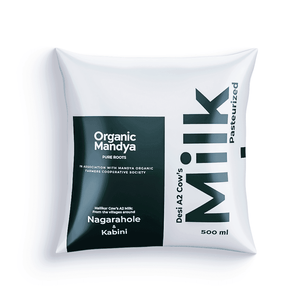
Milk has been a part of Indian households for generations. From morning tea and coffee to homemade sweets and traditional Ayurvedic remedies, it remains one of the most consumed foods across the country.
Yet, as awareness about nutrition grows, many families are beginning to ask an important question:
Should we choose Desi Cow Milk or HF Cow Milk?
At first glance, both look identical. Both provide calcium, protein, and essential nutrients. However, the differences go much deeper than appearance. The breed of the cow, the type of protein in the milk, farming practices, and nutritional quality all play a role in determining which milk reaches your glass.
At Organic Mandya, we believe that informed choices lead to healthier lifestyles. This guide explores the key differences between Desi Cow Milk and HF Cow Milk, helping you understand which option aligns best with your health and wellness goals.
Why Milk Quality Matters
For many years, milk was viewed simply as a source of calcium and protein. Today, nutrition experts are paying closer attention to the quality of milk rather than just the quantity.
Factors such as:
- Protein composition
- Fat quality
- Digestibility
- Farming methods
- Animal welfare
all influence the overall nutritional value of milk.
This is why the discussion around Desi Cow Milk vs HF Cow Milk has become increasingly relevant for health conscious consumers.
"Not all milk is created equal. The source matters just as much as the nutrients."
What Is Desi Cow Milk?
Desi Cow Milk comes from indigenous Indian cattle breeds that have naturally adapted to local climatic conditions over centuries.
Some popular indigenous cattle breeds include:
- Gir
- Sahiwal
- Hallikar
- Malnad Gidda
- Red Sindhi
These breeds are known for producing A2 milk, which contains A2 beta-casein protein.
Key Characteristics of Desi Cow Milk
- Naturally contains A2 protein
- Rich in beneficial nutrients
- Easier to digest for many people
- Produced by indigenous cattle breeds
- Supports traditional dairy farming
Unlike commercial dairy systems, native cows are often raised in environments that prioritize natural grazing and sustainable farming practices.
What Is HF Cow Milk?
HF Cow Milk comes from Holstein Friesian cows, one of the world's highest milk-producing breeds.
Originally developed in Europe, HF cows were introduced into India to increase milk production and meet growing demand.
Key Characteristics of HF Cow Milk
- High milk yield
- Contains predominantly A1 protein
- Widely used in commercial dairy farms
- Requires intensive feeding and management
- Commonly found in large-scale dairy production
While HF cows help increase milk availability, many consumers are now comparing the nutritional quality of HF milk with traditional Desi milk.
Desi Cow Milk vs HF Cow Milk: Nutritional Comparison
The nutritional differences between the two are significant.
|
Nutrient/Feature |
Desi Cow Milk |
HF Cow Milk |
|
Protein Type |
A2 Protein |
A1 Protein |
|
Digestibility |
Easier |
Moderate |
|
Omega-3 Fatty Acids |
Higher |
Lower |
|
Beta-Carotene |
Naturally Present |
Lower Levels |
|
Vitamins A & D |
Higher |
Moderate |
|
Milk Yield |
Lower |
Higher |
|
Farming Style |
Traditional |
Commercial |
|
Sustainability |
Higher |
Moderate |
While HF cows produce more milk, Desi cows often produce milk with a richer nutritional profile.
"Quantity may fill a container, but quality nourishes the body."
Understanding A1 vs A2 Milk
One of the biggest reasons consumers compare Desi and HF milk is the difference between A1 and A2 proteins.
What Is A2 Protein?
A2 protein is the original form of beta-casein found in indigenous cattle breeds.
Desi cows naturally produce milk containing A2 protein.
What Is A1 Protein?
HF cows and several European breeds produce milk containing A1 protein.
During digestion, A1 protein can release a peptide known as BCM-7 (Beta-Casomorphin-7), which some studies associate with digestive discomfort in sensitive individuals.
Difference Between A1 and A2 Milk
|
Feature |
A1 Milk |
A2 Milk |
|
Source |
HF & European Breeds |
Indigenous Indian Breeds |
|
Protein Type |
A1 Beta Casein |
A2 Beta Casein |
|
Digestion |
May be difficult for some individuals |
Generally easier |
|
Consumer Preference |
Conventional Milk |
Premium Milk |
This distinction has led to growing demand for A2 milk across India.
Health Benefits of Desi Cow Milk
Many families choose Desi milk because of its nutritional advantages.
1. Supports Better Digestion
The A2 protein structure may be easier for the body to digest compared to A1 protein.
Many consumers report reduced bloating and digestive discomfort after switching to A2 milk.
2. Rich in Essential Nutrients
Desi cow milk contains:
- Calcium
- Phosphorus
- Vitamin A
- Vitamin D
- Vitamin B12
These nutrients support bone strength, immunity, and overall health.
3. Contains Healthy Fatty Acids
The higher levels of omega-3 fatty acids contribute to heart health and overall wellness.
4. Naturally Rich in Antioxidants
Beta-carotene gives Desi milk its slightly creamy-yellow hue and contributes antioxidant benefits.
5. Supports Overall Wellness
Regular consumption can support:
- Strong bones
- Healthy digestion
- Improved immunity
- Better nutritional balance
"Milk should do more than provide calories it should support long-term health."
Ethical and Sustainability Considerations
The conversation about milk is not only about nutrition.
It is also about sustainability.
Desi Cow Farming
Traditional dairy systems often emphasize:
- Natural grazing
- Indigenous breed conservation
- Lower environmental impact
- Farmer sustainability
HF Dairy Farming
Commercial dairy systems often focus on maximizing output through:
- Intensive feeding programs
- Larger herd sizes
- Higher resource consumption
Supporting indigenous breeds helps preserve biodiversity while promoting more sustainable dairy practices.
Which Milk Should You Choose?
The answer depends on your priorities.
Choose Desi Cow Milk if you prefer:
- A2 milk
- Traditional dairy farming
- Easier digestion
- Indigenous breed conservation
- Rich nutritional value
Choose HF Cow Milk if your focus is:
- Higher availability
- Lower cost
- Commercial dairy products
For consumers seeking premium nutrition and authentic dairy, Desi milk often emerges as the preferred option.
Organic Mandya’s Commitment to Pure Dairy
At Organic Mandya, we believe that healthy milk starts long before it reaches your home.
Our approach focuses on:
Supporting Indigenous Breeds
We work closely with farmers who rear native cattle breeds using sustainable practices.
Promoting Traditional Dairy Farming
We encourage natural farming systems that respect animal welfare and environmental sustainability.
Ensuring Quality and Transparency
Every product reflects our commitment to purity, authenticity, and farmer empowerment.
"When you support indigenous dairy farming, you support healthier communities and healthier food systems."
FAQs
1. What is the difference between Desi Cow Milk and HF Cow Milk?
Desi Cow Milk comes from indigenous Indian breeds and typically contains A2 protein. HF Cow Milk comes from Holstein Friesian cows and generally contains A1 protein.
2. Is A2 milk healthier than regular milk?
Many people find A2 milk easier to digest. It also comes from indigenous cattle breeds known for producing nutrient-rich milk.
3. Which breeds produce A2 milk?
Popular breeds include Gir, Sahiwal, Hallikar, Malnad Gidda, and Red Sindhi.
4. Why is Desi milk slightly yellow?
The yellowish colour comes from beta-carotene, a natural antioxidant found in indigenous cow milk.
5. Can children drink A2 milk?
Yes. A2 milk provides essential nutrients that support healthy growth and development.
6. Is HF milk harmful?
HF milk is widely consumed and provides important nutrients. However, some consumers prefer Desi milk due to its A2 protein and digestibility benefits.
7. Where can I buy authentic Desi Cow Milk?
Choose trusted organic brands and local dairy producers that clearly disclose breed information and sourcing practices.


