


Sambrani Dhoop Cups: Your Complete Guide to Benefits, Uses & Why Organic Is Different

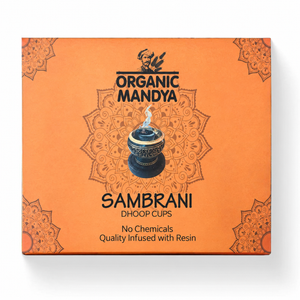
Sambrani dhoop cups are India's most beloved traditional home fragrance - small, self-lighting cups filled with sambrani (benzoin resin from the Styrax tree) that produce thick, aromatic smoke used for pooja, home purification, mosquito repelling, and the distinctly Indian ritual of "sambrani smoke bathing" for new mothers and babies. At 12.1K monthly searches for "sambrani dhoop cups" and 8.1K for "sambrani cups," this ancient home fragrance tradition remains deeply embedded in Indian daily life. But here is what most consumers do not realise: the sambrani dhoop cups dominating the market are made with charcoal powder (not genuine benzoin resin), synthetic fragrance oils (not natural aromatics), chemical binding agents (not natural gum), and potassium nitrate as a combustion accelerant. You light them expecting traditional sambrani purity and instead fill your home with synthetic chemical smoke. Organic Mandya's organic sambrani dhoop cups are made with genuine benzoin resin (sambrani), natural herbs and aromatics, natural binding gum, and zero synthetic fragrances, zero charcoal fillers, and zero chemical accelerants. The smoke that fills your home is genuinely what sambrani smoke was always meant to be.
What Is Sambrani (Benzoin Resin)?
Sambrani is the resinous gum harvested from the bark of Styrax benzoin and Styrax tonkinensis trees - tropical trees native to Southeast Asia (Sumatra, Thailand, Vietnam) and cultivated in parts of South India. When the bark is cut, the tree exudes a fragrant resin that hardens into amber-coloured lumps. This resin, when burned, produces the thick, sweet, balsamic smoke that Indians know as sambrani dhoop.
The word "sambrani" comes from Tamil (sambirani), derived from the Arabic "luban" (frankincense/resin), which also gives us the Hindi word "loban." In South India, sambrani smoke is an inseparable part of daily life: it accompanies morning and evening pooja (prayer), it is used to fumigate homes (believed to purify air and repel negative energy), it is given to new mothers and babies as "sambrani smoke bath" (dhoop snaan) for warmth and immunity, and it repels mosquitoes and insects naturally.
Dhoop cups are the modern convenience format for sambrani. Traditional sambrani use required placing resin on burning charcoal or embers - a process that needed a separate charcoal source and careful handling. Dhoop cups are pre-formed cups containing a sambrani mixture that self-light with a match and burn independently, making the tradition accessible in modern apartments and homes without charcoal or fire management.
Organic Mandya's sambrani dhoop cups use genuine benzoin resin as the primary ingredient, blended with natural herbs, cow dung powder (a traditional Vedic havan ingredient), natural gum binder, and natural ignition materials. Each cup burns for approximately 15-20 minutes, producing thick, fragrant sambrani smoke.
How Are Organic Sambrani Dhoop Cups Different from Regular Market Dhoop Cups?
|
What We Are Comparing |
Organic Mandya Dhoop Cups |
Regular Market Dhoop Cups |
|
Primary ingredient |
Genuine benzoin resin (sambrani) |
Charcoal powder with synthetic fragrance |
|
Fragrance source |
Natural resin + herbs |
Synthetic fragrance oils (DPG-based) |
|
Binding agent |
Natural gum (guar/acacia) |
Chemical binders |
|
Combustion aid |
Natural materials |
Potassium nitrate (chemical accelerant) |
|
Charcoal content |
Minimal or none |
Primary ingredient (cheap filler) |
|
Smoke quality |
Thick, sweet, balsamic (genuine sambrani) |
Sharp, chemical, irritating |
|
Cow dung (havan ingredient) |
Present (traditional Vedic practice) |
Absent |
|
Health impact of smoke |
Traditional herbs + resin (used in Ayurveda for millennia) |
Synthetic chemicals in smoke (respiratory irritant) |
|
Mosquito repelling |
Natural (benzoin + herbs have documented insect-repellent properties) |
Limited (synthetic fragrance does not repel effectively) |
|
Certifications |
FSSAI + quality tested |
Variable |
The synthetic fragrance problem: Commercial dhoop cups use DPG (dipropylene glycol) based synthetic fragrance oils to simulate sambrani scent. When burned, these synthetic oils release volatile organic compounds (VOCs), including formaldehyde, benzene, and toluene - known respiratory irritants and potential carcinogens. You light a dhoop cup for spiritual purity and home fragrance, but fill your home with chemical pollution. Organic sambrani cups eliminate this concern entirely by using genuine benzoin resin and natural herbs as the sole fragrance sources.
What Are the Benefits of Organic Sambrani Dhoop Cups?
1. Genuine air purification (antimicrobial smoke). Benzoin resin smoke has been used for fumigation across Indian, Egyptian, and Roman civilisations for millennia. Published research confirms that certain herbal smoke formulations reduce airborne bacteria by 60-94% in enclosed spaces. The combination of benzoin resin, cow dung (traditionally used in havan for air purification), and natural herbs produces smoke with genuine antimicrobial properties.
2. Natural mosquito and insect repelling. Benzoin resin and several herbs used in traditional dhoop formulations have documented insect-repellent properties. In pre-modern India, sambrani smoke was the primary mosquito repellent - used every evening before sunset in homes across South India. Organic dhoop cups provide this natural protection without the DEET, allethrin, or prallethrin found in commercial mosquito repellents and liquidators.
3. Aromatherapy benefits (stress reduction, calming). The sweet, warm, balsamic aroma of genuine benzoin resin has documented calming and anxiolytic (anti-anxiety) effects. Benzoin is classified as a "base note" in aromatherapy - a grounding, warming scent that reduces stress and promotes emotional stability. This is why sambrani smoke accompanies meditation and prayer traditions.
4. Traditional postpartum care (sambrani smoke bath). In South Indian tradition, new mothers and newborn babies are given "dhoop snaan" (smoke bath) with sambrani - the warm, medicated smoke is believed to strengthen the mother's recovery, build the baby's immunity, and provide warmth during the vulnerable postpartum period. This practice has survived for centuries because families observe tangible benefits in maternal and infant wellbeing.
5. Pooja and spiritual practice. Sambrani dhoop is inseparable from Hindu, Jain, and Buddhist prayer traditions. The rising smoke symbolises prayers ascending to the divine. The fragrance creates a sacred atmosphere for meditation, chanting, and prayer. Organic dhoop cups ensure this spiritual practice is accompanied by pure, natural smoke rather than synthetic chemical fumes.
6. Home fragrance without synthetic chemicals. Commercial air fresheners contain phthalates, synthetic musks, and volatile organic compounds. Sambrani dhoop cups provide natural home fragrance through genuine plant resin smoke, an option that has scented Indian homes for over 2,000 years without any synthetic chemistry.
How Do I Use Sambrani Dhoop Cups?
|
Use |
How |
Duration |
Best Time |
|
Evening pooja |
Light cup, place in pooja room on fireproof surface |
15-20 min |
Sandhya kala (dusk) |
|
Home fumigation |
Light cup, carry through rooms, allow smoke to spread |
15-20 min |
After cleaning; evening |
|
Mosquito repelling |
Light near windows/doors before sunset |
15-20 min |
30 min before sunset |
|
Meditation/yoga |
Light before practice; allow fragrance to fill room |
During practice |
Morning or evening |
|
Postpartum smoke bath |
Light cup in room; mother and baby receive warm smoke (supervised) |
10-15 min |
Per traditional midwife guidance |
|
After cooking smells |
Light cup to replace kitchen odours with sambrani fragrance |
15-20 min |
After cooking |
|
Guest welcome |
Light before guests arrive; creates a traditional welcoming atmosphere |
15-20 min |
Before guest arrival |
Safety instructions: Always place the lit dhoop cup on a fireproof surface (metal plate, stone slab, sand-filled tray). Keep away from flammable materials (curtains, paper, cloth). Ensure room ventilation (open a window slightly - you want fragrance circulation, not smoke accumulation). Never leave burning dhoop unattended. Keep away from children and pets. Ensure the cup is fully extinguished before disposal.
Who Should Try Organic Sambrani Dhoop Cups?
|
If You Are... |
Should You Use Them? |
Why |
|
Using commercial dhoop cups |
Yes - switch to organic |
Eliminate synthetic fragrance chemicals in your home |
|
Daily pooja practitioner |
Yes |
Genuine sambrani resin for authentic spiritual practice |
|
Wanting natural mosquito repellent |
Yes (supplement, not sole method) |
Benzoin + herbs repel insects naturally |
|
New mother (postpartum) |
Yes - traditional practice |
Sambrani smoke bath tradition; use with supervision |
|
Having respiratory sensitivity |
Use with good ventilation |
Even natural smoke can irritate sensitive airways; ventilate well |
|
Having asthma |
Use cautiously / avoid |
Any smoke (natural or synthetic) can trigger asthma; consult doctor |
|
Wanting chemical-free home fragrance |
Yes |
Replaces synthetic air fresheners entirely |
If you're exploring home essentials beyond a single product, it's worth understanding how agarbatti, sambrani cups, incense blends, and other natural home essentials compare. Read our Complete Home Essentials Guide to learn how each product is made, its traditional uses, benefits, and how to choose authentic, naturally crafted home essentials for your home and family.
How Do I Know These Dhoop Cups Are Genuinely Organic?
Quality testing at trust.organicmandya.com. FSSAI licence (#11219322000392). Genuine sambrani dhoop cups have a distinct balsamic, sweet, warm aroma even before lighting (from the benzoin resin). Cheap charcoal-based cups smell of nothing unlit, then release a sharp, chemical smell when burned. The smoke from genuine sambrani is thick, white-grey, and sweet-smelling. Chemical dhoop smoke is thin, grey-black, and sharp or acrid.
The ingredient list is the clearest test: genuine sambrani cups list benzoin resin, natural herbs, cow dung, and natural gum. Chemical cups list charcoal powder, fragrance oil, and chemical binders. Read the label before you buy.
Why Organic Sambrani Dhoop Cups Protect Both Your Home and Your Health
Every evening, millions of Indian families light dhoop cups in their pooja rooms and living spaces, breathing in the smoke for 15-20 minutes. If that smoke contains synthetic fragrance chemicals, DPG residues, and potassium nitrate combustion products, the cumulative exposure over months and years of daily practice is a genuine health concern, particularly for children, the elderly, and pregnant women in the household.
Switching to organic sambrani dhoop cups made with genuine benzoin resin and natural herbs transforms this daily exposure from a chemical risk into a traditional wellness practice. The antimicrobial fumigation, natural mosquito repelling, aromatherapy calming, and spiritual significance all function as intended when the ingredients are genuine. Your pooja deserves pure sambrani, not synthetic chemicals shaped like dhoop cups.
Looking to build a healthier, chemical-free kitchen beyond this topic? Explore our comprehensive guide covering everything from cold-pressed oils and A2 dairy to millets, spices, dals, fruits, vegetables, natural sweeteners, snacks, home essentials, and more. It brings together practical buying advice, ingredient comparisons, and trusted information to help you make informed choices for every part of your kitchen.
Explore the Complete Chemical-Free Kitchen Guide
FAQs
Q1. What are sambrani dhoop cups?
Pre-formed, self-lighting cups containing sambrani (benzoin resin) that produce fragrant smoke for pooja, home purification, mosquito repelling, and aromatherapy. Light with a match; burns 15-20 minutes. The modern convenience format of traditional sambrani use.
Q2. What is the difference between organic and regular dhoop cups?
Organic: genuine benzoin resin, natural herbs, cow dung, natural gum binder. Regular: charcoal powder filler, synthetic fragrance oils (DPG-based), chemical binders, potassium nitrate. The smoke quality and health impact are fundamentally different.
Q3. Do sambrani dhoop cups repel mosquitoes?
Yes - benzoin resin and traditional herbs have documented insect-repellent properties. Sambrani smoke was India's primary evening mosquito repellent for centuries. Not as targeted as chemical repellents (DEET/allethrin), but provides natural supplementary protection without synthetic chemicals.
Q4. Are dhoop cups safe for babies?
Traditional sambrani smoke bath (dhoop snaan) for newborns is practiced across South India. Use organic cups (genuine resin, no chemicals), ensure good ventilation, keep the cup at a distance (not directly under the baby), supervise at all times, and limit exposure to 10-15 minutes. Consult your paediatrician if the baby has any respiratory concerns.
Q5. How many dhoop cups should I use per day?
1-2 cups per day is typical for most households (one for morning pooja, one for evening). Each cup burns 15-20 minutes. Ensure ventilation during and after burning. More is not better - excessive smoke of any kind, even natural, reduces indoor air quality.


