


Milk Chocolate: Your Complete Guide to Benefits, Nutrition & Why Organic Is Different

Introduction
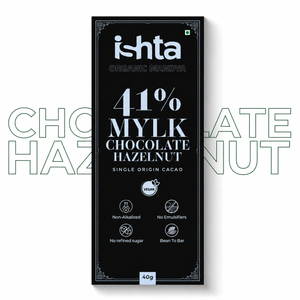
Milk chocolate is the world's most popular chocolate variety and India's favourite confectionery - the creamy, sweet, comforting chocolate that children love and adults reach for when they want indulgence without the bitterness of dark chocolate. But the milk chocolate sold by most brands is a nutritional travesty: refined white sugar as the primary ingredient (40-55%), cheap vegetable fat replacing real cocoa butter (hydrogenated palm kernel oil, also called CBS/CBE), artificial vanillin instead of real vanilla, synthetic emulsifiers, and often as little as 20-25% actual cocoa content. What should be a blend of genuine cocoa and real milk has become a sugar-fat bar with chocolate flavouring. Organic Mandya's organic milk chocolate is made with certified organic cocoa (with real cocoa butter, not vegetable fat substitutes), A2 desi cow milk powder (not conventional milk), organic jaggery or coconut sugar (not refined white sugar), and natural ingredients throughout. Fewer ingredients, better ingredients, genuine chocolate.
Milk chocolate with real cocoa butter, real milk, and organic sweetener retains meaningful cocoa flavanols (though less than dark chocolate), provides calcium from real milk powder, and eliminates the trans fats and chemical additives of commercial brands. It is genuinely real chocolate made with real ingredients, not a sugar-fat compound bar disguised with chocolate flavouring. It is not a health food - it is a cleaner, more genuine version of the indulgence your family already enjoys.
How Is Organic Milk Chocolate Different from Commercial Milk Chocolate?
|
What We Are Comparing |
Organic Mandya Milk Chocolate |
Commercial Milk Chocolate |
|
Cocoa content |
Higher (~30-40%) |
Often 20-25% (minimum legal) |
|
Cocoa butter |
Real cocoa butter |
Vegetable fat substitutes (CBE/CBS/hydrogenated palm) |
|
Milk |
A2 desi cow milk powder |
Conventional milk powder |
|
Sweetener |
Organic jaggery / coconut sugar |
Refined white sugar (largest ingredient at 40-55%) |
|
Emulsifier |
Natural or none |
Synthetic soy lecithin + PGPR |
|
Vanilla |
Natural (if used) |
Synthetic vanillin |
|
Melt quality |
Melts smoothly at body temperature (real cocoa butter) |
Waxy, doesn't melt cleanly (vegetable fat) |
|
Taste |
Complex cocoa + creamy milk |
One-dimensional sweet |
The vegetable fat deception: Most commercial milk chocolate in India uses "compound chocolate" - where cocoa butter (expensive) is replaced with hydrogenated palm kernel oil (cheap). Legally, this should be labelled "chocolate compound" not "chocolate," but labelling enforcement is inconsistent. Real chocolate melts at body temperature (which is why it melts in your mouth). Compound chocolate has a waxy mouthfeel and doesn't melt cleanly. Organic Mandya uses real cocoa butter.
What Are the Benefits of Choosing Organic Milk Chocolate?
1. Real cocoa butter (no trans fat vegetable substitutes). Cocoa butter is one of the few saturated fats with a neutral effect on cholesterol (stearic acid, the primary fatty acid in cocoa butter, does not raise LDL). Vegetable fat substitutes in commercial chocolate may contain trans fats and have different metabolic effects.
2. A2 milk (easier digestion, no A1 casein discomfort). The milk powder in Organic Mandya's chocolate comes from A2 desi cow milk (Gir, Sahiwal, Hallikar breeds). A2 milk is associated with easier digestion and reduced inflammatory response compared to A1 milk from HF/Jersey breeds used in commercial dairy.
3. Organic sweetener instead of refined sugar. Jaggery or coconut sugar provides trace minerals (iron, potassium) and a lower glycaemic impact than refined white sugar. While the amounts in a chocolate bar are small, eliminating refined sugar is a meaningful quality improvement.
4. Genuine chocolate flavour from real cocoa. Higher cocoa content with real cocoa butter produces a richer, more complex chocolate experience than the sugary sweetness of commercial bars. Children who grow up eating genuine chocolate develop a palate for quality rather than for sugar.
5. Safe for children - zero artificial additives. No synthetic vanillin, no chemical emulsifiers (PGPR), no vegetable fat substitutes, no artificial colours. The ingredient list reads like real food, not a chemistry experiment.
6. Calcium from real A2 milk. Milk chocolate made with genuine milk powder provides meaningful calcium, supporting bone development in growing children and bone maintenance in adults.
What Is Inside Organic Milk Chocolate? (Nutrition per 100g)
|
Nutrient |
Organic Milk Chocolate |
Commercial Milk Chocolate |
What It Does |
|
Cocoa content |
~30-40% |
~20-25% |
Flavanols; flavour depth |
|
Calories |
~535 kcal |
~535 kcal |
Similar |
|
Fat source |
Real cocoa butter + A2 milk fat |
Vegetable fat + conventional milk |
Clean fats vs processed fats |
|
Trans fat |
0 g |
Variable (hydrogenated palm) |
Zero heart-damaging fat |
|
Sugar |
Organic jaggery/coconut sugar (~40%) |
Refined white sugar (~45-55%) |
Mineral nutrition vs empty calories |
|
Protein |
~7 g (from cocoa + milk) |
~6 g |
Muscle; growth |
|
Calcium |
Present (from A2 milk) |
Present (from conventional milk) |
Bone health |
|
Iron |
~2 mg |
~1 mg |
Blood health |
The key difference is not calories (similar) but ingredient quality: real cocoa butter vs vegetable fat, A2 milk vs conventional, organic sweetener vs refined sugar, and higher cocoa content for genuine chocolate flavour.
How Do I Use Milk Chocolate?
|
Use |
How |
Best For |
|
Daily treat (children) |
1-2 squares (15-20g) after meals |
Genuine chocolate experience without artificial additives |
|
School lunchbox |
1 small piece with fruit and nuts |
Balanced snack; real food energy |
|
Hot milk chocolate |
Melt 20g in warm A2 milk |
Evening comfort drink |
|
Fruit pairing |
Squares with strawberries, bananas, orange segments |
Healthy dessert |
|
Gifting |
Organic chocolate gift boxes |
Health-conscious festival/birthday gifts |
|
Baking |
Chips/chunks in cookies, muffins, pancakes |
Healthier baked goods |
Daily recommendation: 15-30g per day (1-3 small squares). Milk chocolate is higher in sugar and lower in flavanols than dark chocolate, so treat it as a genuine indulgence food, not a daily health supplement. For cardiovascular benefits, choose dark chocolate (70%+). For family enjoyment and children's treats, organic milk chocolate is the cleaner option.
If you're exploring traditional sweets beyond a single product, it's worth understanding how dark chocolate, milk chocolate, hot chocolate, almond chocolate, cranberry chocolate, honey blends, peanut butter, coconut jam, and other wholesome sweets compare. Read our Complete Sweets Guide to learn how each product is made, its nutritional benefits, everyday uses, and how to choose authentic, naturally crafted sweets for your family.
Who Should Try Organic Milk Chocolate?
Organic milk chocolate is the right choice for families (especially with children) who want to enjoy chocolate without the vegetable fats, refined sugar, synthetic chemicals, and minimal cocoa content of commercial brands. It is not a health food, but it is a significantly cleaner indulgence. For health benefits from chocolate, choose dark (70%+). For family enjoyment with genuine ingredients, choose organic milk chocolate.
Store in a cool, dry place (18-22 degrees C). Chocolate blooms (white surface coating) in heat or humidity, which is cosmetic, not a quality defect. Avoid refrigeration (absorbs fridge odours). Best consumed within 6 months of purchase.
How Do I Know This Milk Chocolate Is Genuine?
NPOP certification, FSSAI licence (#11219322000392). The melt test: real chocolate (with cocoa butter) melts smoothly on your tongue at body temperature. Compound chocolate (vegetable fat) feels waxy and doesn't melt cleanly. The ingredient test: first ingredient should be cocoa or cocoa mass, NOT sugar. The label should say "chocolate" not "chocolate compound" or "choco bar." Quality tested at trust.organicmandya.com.
Looking to build a healthier, chemical-free kitchen beyond this topic? Explore our comprehensive guide covering everything from cold-pressed oils and A2 dairy to millets, spices, dals, fruits, vegetables, natural sweeteners, snacks, home essentials, and more. It brings together practical buying advice, ingredient comparisons, and trusted information to help you make informed choices for every part of your kitchen.
Explore the Complete Chemical-Free Kitchen Guide


