



Arandi Oil in English: Castor Oil Names in Hindi, Kannada, Tamil & Telugu
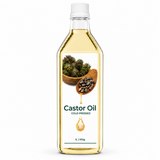
Arandi oil (arandi ka tel, अरंडी का तेल) is castor oil in English. It is pressed from the seeds of the castor plant, Ricinus communis, and it is a thick, pale yellow oil that is used on hair and skin and in industry. It is not a cooking oil.
So if you were wondering "arandi ke tel ko English mein kya kahate hain", the answer is simply castor oil. And if you typed "castrol oil" or "custard oil", you were almost certainly looking for castor oil too. This page gives its name in nine Indian languages, explains the common mix-ups, and lists the safety points every home should know.
Buy cold-pressed castor oil (arandi ka tel) from Organic Mandya

Castor oil names in Indian languages
| Language | Name | Script | Notes |
|---|---|---|---|
| English | Castor oil | - | Oil pressed from castor seeds |
| Hindi | Arandi ka tel, arandi tel | अरंडी का तेल | Also written arandi oil or erandi oil |
| Kannada | Haralenne (haralu enne) | ಹರಳೆಣ್ಣೆ | Haralu is the castor plant |
| Tamil | Amanakku ennai; vilakkennai | ஆமணக்கு எண்ணெய்; விளக்கெண்ணெய் | Vilakkennai means "lamp oil" |
| Telugu | Amudam | ఆముదం | The everyday Telugu word for castor oil |
| Malayalam | Avanakkenna | ആവണക്കെണ്ണ | Avanakku is the castor plant |
| Marathi | Erandel; erandel tel | एरंडेल; एरंडेल तेल | Erand is the castor plant |
| Gujarati | Divel | દિવેલ | Traditionally used to light diyas |
| Bengali | Rerir tel | রেড়ির তেল | The plant is called bherenda (ভেরেন্ডা) |
| Sanskrit | Eranda taila | एरण्ड तैल | Classical name used in Ayurveda texts |
| Botanical | Ricinus communis | - | Seed oil of the castor plant |
Notice the pattern: arandi (Hindi), erand (Marathi) and eranda (Sanskrit) are the same old word. In the south the names are different words altogether, which is why a Bengaluru shopper asking for "haralenne" and a Chennai shopper asking for "vilakkennai" are buying the same bottle.
Castor, not Castrol: clearing up the mix-ups
- Castrol is not castor oil. Castrol is a brand of engine oils and lubricants for vehicles. The brand name was coined from "castor oil", because castor oil was added to the maker's early motor oils. It is a different product made for engines, so never put motor oil on hair or skin. Organic Mandya has no connection with the Castrol brand; we mention it only because the two words are often confused.
- "Custard oil" is a mishearing. There is no common kitchen oil called custard oil. Custard is a milk pudding, and custard apple (sitaphal) is a fruit. When people search for custard oil, they almost always mean castor oil.
What castor oil is
The castor plant is a hardy shrub grown widely in India. Its seeds hold about 30 to 50 percent oil, which is pressed out and filtered. India is by far the world's largest grower: a study by the Ministry of Agriculture's Directorate of Economics and Statistics puts India's share of world castor seed production at 89.8 percent (2020), with Gujarat alone growing about 85.6 percent of India's crop (2020-21).
What makes castor oil unusual is its fatty acid. Up to 90 percent of it is ricinoleic acid, a fatty acid that is rare in other oils. This is why castor oil is so much thicker and slower to pour than coconut or groundnut oil.
| Castor oil at a glance | Detail |
|---|---|
| Plant | Ricinus communis (castor plant) |
| Part used | Seeds |
| Oil in the seed | About 30-50% by weight |
| Main fatty acid | Ricinoleic acid, up to 90% |
| Look and feel | Pale yellow, thick, slow-pouring |
| Edible as a cooking oil? | No. It is classed as a non-edible oil |
| Main industrial uses | Soaps, paints, coatings, inks, lubricants, cosmetics |
Source: Patel et al., "Castor Oil: Properties, Uses, and Optimization of Processing Parameters in Commercial Production", Lipid Insights, 2016.
What castor oil is not: a cooking oil
Castor oil is not used for cooking, tadka or frying. Technical literature on the oil classes it as a non-edible oil, and our own castor oil is labelled cosmetic grade, for external use only. If you need an oil for the kitchen, choose one from our cold-pressed cooking oils instead, such as groundnut, coconut or sunflower.
How castor oil is traditionally used
The uses below are traditions handed down in Indian homes. They are not medical advice.
- Hair and scalp: in many homes castor oil is traditionally warmed slightly and massaged into the scalp, often mixed with a lighter oil because it is so thick.
- Dry skin: a few drops are traditionally rubbed into dry heels, elbows and the edges of nails.
- Lamps: the Tamil name vilakkennai ("lamp oil") and the Gujarati divel, used to light diyas, both remember its old use as a lamp oil.
- Ayurveda: eranda taila is a classical oil in Ayurvedic texts, where it is used under a practitioner's guidance.
We have already written detailed guides on using it, so we will not repeat them here: read castor oil for hair and skin, our guide to cold-pressed castor oil, and the castor oil page in Know Your Food.
Safety: read this before you use castor oil
- The seeds are poisonous. Castor seeds naturally contain ricin, a poison. Chewing and swallowing the seeds can cause serious harm. Never eat castor seeds, and keep the seeds and the plant away from children and pets.
- The poison is in the seed, not in the processed oil. Ricin is left behind in the seed mash (the cake) when castor oil is made, and published reviews report that processed castor oil is free of ricin. That is why the oil can be sold for use on skin and hair, while the seeds must never be eaten.
- Do not swallow it unless a doctor has told you to. Pregnant women should not take or use castor oil without their doctor's advice.
- Patch test first. Dab a little on the inside of your arm and wait 24 hours before using it on your scalp or face. Keep it out of your eyes.
- Keep it out of children's reach, and store the bottle tightly closed in a cool, dry place away from direct sunlight.
How to choose castor oil
- Read the label for "castor oil" or "Ricinus communis seed oil" and nothing else.
- Check how it was made: cold-pressed oil is pressed mechanically, not extracted with a solvent such as hexane.
- Check the grade and the intended use printed on the pack.
Our cold-pressed castor oil is cold-pressed, unrefined and hexane-free. It is sold as cosmetic grade for external use only, in 200 ml and 500 ml bottles. Like our other dry groceries, it ships across India.
Get castor oil for hair and skin care
FAQs
Q1. What is arandi oil called in English?
Arandi oil is called castor oil in English. Arandi ka tel and arandi tel are Hindi names for the same oil, which is pressed from the seeds of the castor plant, Ricinus communis.
Q2. Arandi ke tel ko English mein kya kahate hain?
Arandi ke tel ko English mein castor oil kahate hain. Iska botanical naam Ricinus communis hai, aur yeh khana pakane ka tel nahin hai.
Q3. Is castor oil the same as Castrol oil?
No. Castrol is a brand of engine oil for vehicles, and it is not connected with Organic Mandya. The brand name was coined from castor oil, which was added to its early motor oils, but motor oil must never be used on the body.
Q4. What is custard oil?
There is no common oil called custard oil. It is a mishearing of castor oil. Custard is a dessert, and custard apple is a fruit; neither is the source of castor oil.
Q5. What is castor oil called in Kannada, Tamil and Telugu?
In Kannada it is haralenne (ಹರಳೆಣ್ಣೆ), in Tamil amanakku ennai or vilakkennai (ஆமணக்கு எண்ணெய் / விளக்கெண்ணெய்), and in Telugu amudam (ఆముదం). In Malayalam it is avanakkenna (ആവണക്കെണ്ണ).
Q6. Can castor oil be used for cooking?
No. Castor oil is classed as a non-edible oil and is not used for cooking or frying. Our castor oil is labelled cosmetic grade, for external use only. Use an edible cold-pressed oil, such as groundnut or coconut oil, in the kitchen.
Q7. Are castor seeds safe to eat?
No. Castor seeds contain ricin, a natural poison, and must never be chewed or eaten. Keep them away from children and pets.
About this article
This page explains names, uses and safety. It does not give medical advice. Sources:
- Patel V.R. et al., "Castor Oil: Properties, Uses, and Optimization of Processing Parameters in Commercial Production", Lipid Insights 9 (2016): oil content of seeds, ricinoleic acid, non-edible status, industrial uses.
- US Centers for Disease Control and Prevention (CDC), Ricin fact sheet: ricin in castor beans and in the waste mash from oil production.
- Directorate of Economics and Statistics, Ministry of Agriculture, "Castor Crop Cultivation in Gujarat" (2021-22 study): India's and Gujarat's share of production.
- Regional names: flowersofindia.net, Olam Malayalam dictionary (avanakkenna), Wiktionary (divel), a Bangla dictionary (rerir tel), Banglapedia and the People's Archive of Rural India (erandel).
- Castrol name history: Wikipedia, "Castrol".
- Product details: the Organic Mandya castor oil product page.


