


Avarekai in English: Avarekalu, Field Beans and Lablab Names Explained
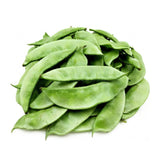

Avarekai (ಅವರೆಕಾಯಿ) is called field beans, hyacinth beans or lablab beans in English, and avarekalu (ಅವರೆಕಾಳು) are the fresh beans shelled from those pods. The botanical name is Lablab purpureus.
In short: avarekai is the pod, avarekalu is the bean inside. This page lists the names in other Indian languages, explains why Tamil "avaraikkai" and Kannada "avarekai" often mean different things in the market, and covers season, nutrition and safe cooking.
Buy fresh avarekai (field beans) from Organic Mandya


Avarekai and avarekalu names in Indian languages
| Language | Name | Script | Notes |
|---|---|---|---|
| English | Field beans; hyacinth beans; lablab beans | - | Also called Indian beans |
| Kannada | Avarekai (pods); avarekalu (beans) | ಅವರೆಕಾಯಿ; ಅವರೆಕಾಳು | Skinned beans are called hitikida (hitakida) avarekalu |
| Telugu | Anapakaya (pods); anapa ginjalu (beans). Also chikkudukaya; chikkudu ginjalu | అనపకాయ; అనప గింజలు. చిక్కుడుకాయ; చిక్కుడు గింజలు | Anapa is the usual name for the shelling type; chikkudu is the wider word and most often means the flat pods |
| Tamil | Mochai (beans); avaraikkai (pods, usually the flat type) | மொச்சை; அவரைக்காய் | See the note below on avaraikkai |
| Hindi | Sem, sem ki phali | सेम; सेम की फली | Used for the pods |
| Gujarati | Val papdi; Surti papdi | વાલ પાપડી; સુરતી પાપડી | Gujarat names |
| Marathi | Pavta (beans); val papdi, ghevda (pods) | पावटा; वाल पापडी, घेवडा | Maharashtra names |
| Malayalam | Amarakka | അമരക്ക | Kerala name |
| Bengali | Shim | শিম | Bengal name |
| Botanical | Lablab purpureus | - | Older name Dolichos lablab |
Why avarekai names confuse everyone
One plant, Lablab purpureus, gives two quite different vegetables. Tamil Nadu Agricultural University, for example, describes field lablab and garden lablab as separate crops.
- The bean type (field lablab). Short, plump, fragrant pods that you shell for the beans inside. In Karnataka this is avarekai, and its beans are avarekalu. In Tamil the beans are called mochai, and in Telugu anapa ginjalu.
- The flat-pod type (garden lablab). Broad, flat pods grown on a pandal and cooked whole. In Kannada these are chapparada avarekai (chappara means pandal), in Tamil avaraikkai, and in Telugu chikkudukaya. We sell this type as Flat Beans (Chikkadikai / Avarakkai).
So when a Chennai recipe says avaraikkai, it usually means flat bean pods cooked whole, while a Bengaluru recipe that says avarekai usually means the pods you shell for avarekalu. Read our flat beans guide for that vegetable.
What avarekai is not:
- Not French beans. Those are hurulikai in Kannada (Phaseolus vulgaris).
- Not cluster beans. Those are gorikai in Kannada and kothavarangai in Tamil; see our cluster beans guide.
- Not fava beans (Vicia faba), even though some charts call avare "broad beans".
When is avarekai season?
Avarekai is a winter crop in Karnataka. It is sown after the monsoon, in late August or September, and harvested through the winter, with the best supply from about November to January. That is when the pods have their strongest smell and when the beans turn up in kitchens all over Karnataka.
Bengaluru even has a festival for it. Every winter, around the New Year, the city hosts the Avarebele Mela, a food fair of avare dishes that began in VV Puram and in recent years has been held at the National College Grounds in Basavanagudi.
Avarekai nutrition per 100 g
Values per 100 g of edible portion, raw, from the Indian Food Composition Tables 2017 (ICMR-NIN), entry "Field beans, tender, broad", for which IFCT gives the local names avare (Kannada), sem (Hindi) and chikkudu ginjalu (Telugu).
| Nutrient | Per 100 g |
|---|---|
| Energy | 129 kJ (about 31 kcal) |
| Water | 87.0 g |
| Protein | 3.1 g |
| Fat | 0.6 g |
| Carbohydrate (available) | 2.8 g |
| Dietary fibre | 5.6 g |
| Calcium | 70.6 mg |
| Iron | 1.95 mg |
| Potassium | 345 mg |
| Vitamin C | 6.0 mg |
| Folate | 123 µg |
Source: Indian Food Composition Tables 2017, ICMR-NIN, Hyderabad, food code D047.
A note on the source: IFCT prints the botanical name Vicia faba against this entry, but the local names it lists are the names used for lablab, so we have used it as the IFCT entry for avare. Treat the figures as a guide; they will vary with variety and how mature the beans are.
The standout numbers are fibre (5.6 g per 100 g) and folate (123 µg). Folate is a B vitamin the body needs to make new cells. Like all beans, avare also adds some plant protein to a meal.
Always cook avarekai and avarekalu
Lablab beans should never be eaten raw. The plant contains cyanogenic glycosides, natural compounds that are broken down by proper cooking. Young pods are cooked and eaten as a vegetable; mature dried beans are edible only after thorough boiling, ideally changing the water a few times.
- Fresh avarekalu: boil or pressure cook until fully soft before adding to saaru, upma or palya.
- Dried avare beans: soak, then boil well and discard the soaking and cooking water.
- Do not snack on raw beans while shelling.
How to shell, peel and cook avarekai
- Shell: press the pod along its seam and pop out the beans (avarekalu).
- Peel, if you like: soak the shelled beans in water for a few hours, then squeeze each bean so the inner bean slips out of its skin. These skinned beans are hitikida avarekalu (also spelt hitakida; hitikida means "squeezed").
- Cook: pressure cook the beans until soft, then use them in a dish.
Karnataka favourites include avarekalu saaru, avarekalu uppittu, avarekai palya, avarekalu sagu and avarekalu husali. Try our recipes for avarekalu saaru and avarekalu uppittu.
Storage: keep whole pods in the fridge in a breathable or perforated bag and use them within three to five days. Shelled beans keep in an airtight container in the fridge.
Our avarekai comes from our farmer network. Fresh vegetables are delivered only in Bengaluru, Mysuru and Hyderabad. For more on beans, see the beans page in Know Your Food.
Cook avarekai at home
FAQs
Q1. What is avarekai called in English?
Avarekai is called field beans, hyacinth beans or lablab beans in English. Its botanical name is Lablab purpureus. In Karnataka, avarekai usually means the plump pods that are shelled for their beans.
Q2. What is avarekalu in English?
Avarekalu are field beans or hyacinth beans: the beans shelled out of avarekai pods. When they are soaked and squeezed out of their skins, they are called hitikida (or hitakida) avarekalu.
Q3. What is avarekai called in Telugu?
In Telugu the shelling type is usually called anapakaya (అనపకాయ) and its beans anapa ginjalu (అనప గింజలు). Chikkudukaya (చిక్కుడుకాయ) is the wider Telugu word for these beans and most often means the flat pods.
Q4. Are avarekai and avarakkai the same?
They come from the same plant but are usually different vegetables. Kannada avarekai is mostly the pod you shell for beans, while Tamil avaraikkai (avarakkai) is usually the broad flat pod cooked whole, which we sell as flat beans.
Q5. When is avarekai season in Bengaluru?
Avarekai is a winter crop, sown after the monsoon and harvested from about November to January. Bengaluru celebrates it with the Avarebele Mela every winter, around the New Year.
Q6. Can you eat avarekalu raw?
No. Lablab beans contain cyanogenic glycosides, which are broken down by cooking. Always boil or pressure cook avarekalu until soft.
About this article
Sources:
- Indian Food Composition Tables 2017, ICMR-National Institute of Nutrition, Hyderabad: nutrient values and local names for "Field beans, tender, broad" (food code D047).
- Cornell University, World Crops: lablab (hyacinth bean) and its cyanogenic glycosides.
- NC State Extension Plant Toolbox, Lablab purpureus: edibility of young pods and the need to boil mature seeds thoroughly.
- Tamil Nadu Agricultural University (TNAU) Agritech portal: garden lablab and mochai varieties.
- Regional names: IFCT 2017 local-name lists, Veg Recipes of India glossary, Wikipedia "Lablab" (Marathi and Tamil names), My Spicy Kitchen (Telugu anapakaya).
- Organic Mandya Learn Farming page on field bean (avarekai) farming, and BigBasket's blog on avarekai: sowing and harvest season.
- Deccan Herald and The Better India: the Avarebele Mela in Bengaluru.
- Product details: the Organic Mandya avarekai product page.


