



Curry Leaves (Karibevu, Kadi Patta): Benefits, Nutrition and Uses


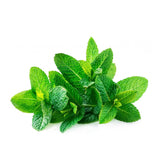
Curry leaves are the fragrant leaves of the curry tree, Murraya koenigii, called karibevu in Kannada, kadi patta in Hindi, kariveppilai in Tamil and karivepaku in Telugu. Their main benefit is aroma: no other leaf gives a South Indian tempering its smell. They also carry real amounts of fibre, calcium, iron and beta-carotene.
Buy fresh curry leaves (karibevu) from Organic Mandya


Curry leaves names in Indian languages
| Language | Name | Script | Notes |
|---|---|---|---|
| English | Curry leaves / Sweet neem leaves | - | Not related to curry powder |
| Kannada | Karibevu / Karibevina soppu | ಕರಿಬೇವು / ಕರಿಬೇವಿನ ಸೊಪ್ಪು | Different from bevu (neem) |
| Hindi | Kadi patta / Kari patta / Meetha neem | कढ़ी पत्ता / करी पत्ता / मीठा नीम | "Meetha neem" means sweet neem |
| Tamil | Kariveppilai | கறிவேப்பிலை | Also spelt karuveppilai |
| Telugu | Karivepaku | కరివేపాకు | Aku means leaf |
| Malayalam | Kariveppila | കറിവേപ്പില | Kerala name |
| Marathi | Kadhipatta | कढीपत्ता | Used in kadhi and poha |
| Botanical | Murraya koenigii | - | Also classified as Bergera koenigii; citrus family (Rutaceae) |
So "karibevu in English" is curry leaves. The English word "curry" itself comes from the Tamil "kari". Curry leaves have nothing to do with curry powder, which is a spice blend.
Nutrition of curry leaves per 100 g
| Nutrient | Per 100 g fresh leaves |
|---|---|
| Energy | 266 kJ (about 64 kcal) |
| Water | 65.3 g |
| Protein | 7.4 g |
| Fat | 1.1 g |
| Available carbohydrate | 4.5 g |
| Total dietary fibre | 16.8 g |
| Calcium | 659 mg |
| Iron | 8.7 mg |
| Magnesium | 182 mg |
| Potassium | 584 mg |
| Vitamin C | 6.0 mg |
| Folate | 117 µg |
| Vitamin K1 | 275 µg |
| Beta-carotene | 7,663 µg |
Source: Indian Food Composition Tables 2017 (IFCT 2017), ICMR-National Institute of Nutrition, food code G010, curry leaves. Fresh edible leaves; kcal converted from the kJ value in the table.
A reality check on portions. These numbers are per 100 g, which is a very large heap of leaves. A typical tempering uses about 8 to 10 leaves, roughly 1 g. That 1 g gives you around 7 mg of calcium and under 0.1 mg of iron. Curry leaves add meaningful nutrients only when you eat them in quantity, as in a karibevu chutney powder or a curry leaf rice.
Benefits of curry leaves
- Aroma that nothing else gives. Curry leaves crackling in hot oil with mustard seeds is the base smell of saaru, sambar, chitranna, upma and poha. Dried bay leaf or coriander cannot replace it.
- Fibre. IFCT 2017 lists 16.8 g of dietary fibre per 100 g, more than any green leafy vegetable listed in the same tables.
- Calcium and iron. 659 mg of calcium and 8.7 mg of iron per 100 g. Calcium is needed for bones and teeth; iron is needed to make haemoglobin, which carries oxygen in the blood.
- Beta-carotene. 7,663 µg per 100 g, which the body converts into vitamin A.
- Folate and vitamin K. 117 µg of folate and 275 µg of vitamin K1 per 100 g. Vitamin K is needed for normal blood clotting.
- Big flavour from a few leaves. A good tempering makes plain rice, dal or buttermilk taste complete.
Traditional use
Curry leaves are used in Ayurvedic and Siddha tradition, and households across South India have their own home remedies with them. Many claims about curry leaves circulate online, but good-quality clinical studies in people are lacking. So we label tradition as tradition, and keep the benefits on this page to measured nutrients and cooking.
How to choose curry leaves
- Pick sprigs with deep green, glossy leaves still on the stem.
- Crush a leaf: it should smell strong and citrusy at once.
- Avoid sprigs with many yellow, black-spotted, wet or curled leaves.
How to use curry leaves in Karnataka and South Indian cooking
- Oggarane (tempering). Heat oil, add mustard seeds, then urad dal or chana dal, dried chilli and curry leaves. Pour over saaru, sambar, dal, chutneys and curd rice. Add the leaves only when the mustard pops, and stand back: wet leaves splutter.
- Rice dishes. Curry leaves are essential in chitranna (lemon rice), puliyogare, vangi bath and curd rice.
- Curd-based dishes. Majjige huli and spiced buttermilk get a curry leaf and coconut oil tempering.
- Salads. Kosambari is finished with a mustard, chilli and curry leaf tempering.
- Karibevu chutney pudi. Dry-roast a big bowl of leaves until crisp, then grind with roasted urad dal, chana dal, dried chilli, tamarind and salt. Mix with hot rice and ghee. This is the way to actually eat curry leaves in quantity.
- Curry leaf rice and fried garnish. Kariveppilai sadam in Tamil Nadu and karivepaku annam in Andhra use a ground curry leaf paste. Deep-fried leaves add crunch to mixture and snacks.
Curry leaves and coriander often go into the same dish. See our guide to coriander leaves.
Should you eat the leaves or set them aside? They are edible. Young, soft leaves are pleasant to eat; older leaves are tougher, which is why many people leave them on the plate. Chop them finely or grind them if your family usually picks them out.
How to store curry leaves
- Keep the leaves on the stem, unwashed and dry. Wrap in a paper towel and store in a closed box in the fridge. They usually stay fragrant for one to two weeks.
- Wash just before use and pat dry, so they do not splutter in hot oil.
- To freeze, strip the leaves, dry them well and freeze in a sealed bag. Use straight from frozen in tempering. They darken, but keep much of their aroma.
- To dry, spread the leaves in the shade until crisp, then store in an airtight jar for chutney powders. Dried leaves are less fragrant than fresh.
Who should take care
- If you take warfarin or a similar blood thinner that works against vitamin K, remember that curry leaves are rich in vitamin K per 100 g. Normal tempering amounts are small. If you plan to eat them in large amounts, such as daily curry leaf juice or chutney powder, keep your intake steady and ask your doctor first.
- Eat the leaves, not the seeds. The curry tree's small black berries are sometimes eaten for their sweet pulp, but the seeds may be toxic. Do not eat the seeds or give the berries to children.
- Do not confuse with neem. Karibevu (curry leaf) and bevu (neem) are different trees. Neem leaves are very bitter and are not used as a tempering herb.
FAQs
Q1. What is karibevu in English?
Karibevu is curry leaves in English. It is the Kannada name for the leaves of the curry tree, Murraya koenigii. Karibevina soppu means the same thing.
Q2. Is kadi patta the same as curry leaves?
Yes. Kadi patta, kari patta and meetha neem are Hindi names for curry leaves. In Tamil they are kariveppilai, and in Telugu karivepaku.
Q3. What are the benefits of curry leaves?
Curry leaves give unique aroma to tempering, and per 100 g IFCT 2017 lists 16.8 g of fibre, 659 mg of calcium, 8.7 mg of iron and 7,663 µg of beta-carotene. Because a tempering uses only about 1 g, the nutrient value is meaningful only when you eat them in larger amounts, such as in chutney powder.
Q4. Are curry leaves related to curry powder?
No. Curry powder is a spice blend, usually with turmeric, coriander and cumin. Curry leaves are a fresh herb, used whole in tempering, and are usually not part of curry powder.
Q5. Are the health claims about curry leaves true?
Curry leaves have a long place in Ayurvedic and Siddha tradition, and many claims about them circulate online. Good-quality clinical studies in people are lacking, so we do not repeat those claims. What is measured is their nutrient content, shown in the table above.
Q6. How long do curry leaves last?
Fresh curry leaves kept dry on the stem in a closed box in the fridge usually last one to two weeks. Frozen leaves keep for months for tempering, and shade-dried leaves keep in an airtight jar for chutney powder.
Cook with karibevu at home

About this article
Written by the Organic Mandya team to answer common questions about curry leaves. We sell curry leaves, sourced from our farmer network.
Sources:
- Indian Food Composition Tables 2017 (IFCT 2017), ICMR-National Institute of Nutrition, Hyderabad: food code G010, curry leaves (nutrition values and regional names).
- US National Institutes of Health, Office of Dietary Supplements: fact sheets on vitamin K, vitamin A, iron and calcium.
- Alar, V. Krishna's Kannada-English dictionary: ಕರಿಬೇವು (curry leaf tree, Murraya koenigii / Bergera koenigii).
- Tamil Nadu Agricultural University (TNAU) Agritech: Tamil commodity names.
- Wikipedia, "Murraya koenigii": note that the seeds may be toxic; status of clinical evidence.
This article is for general information about food and cooking. It is not medical advice.


