




Karnataka · Breakfast
Avarekalu Uppittu
ಅವರೆಕಾಳು ಉಪ್ಪಿಟ್ಟು · Avarekalu Uppittu · ಅವರೆಬೇಳೆ ಉಪ್ಪಿಟ್ಟು · Avarebele Uppittu · Hyacinth Bean Upma
Avarekalu uppittu is a Karnataka breakfast made with roasted rava and fresh shelled avarekai, also called hyacinth beans. Pressure-cook the beans until tender, then simmer them with a mustard seed, curry leaf and onion tempering. Stir in the roasted rava and let it swell into a soft, spoonable uppittu.
- vegetarian
- vegan
Ingredients
- 190 g (about 1 cup)Medium rava (sooji) Organic Mandya
- 115 g (about 3/4 cup)Fresh avarekalu (shelled hyacinth beans) Organic MandyaWeigh the tender green beans after shelling.
- 250 ml (1 cup)Water for pressure-cookingUse more if the cooker requires a higher minimum. Drain after cooking.
- 600 ml (2 1/2 cups)Water for uppittu
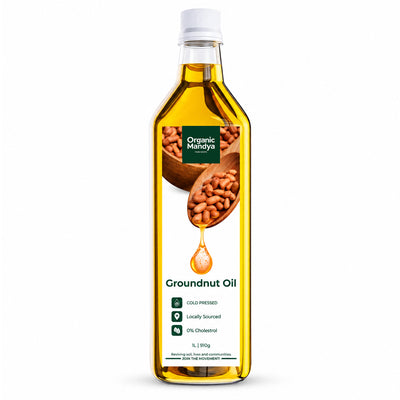
- 30 ml (2 tbsp)Cold-pressed groundnut oil Organic Mandya
- 4 g (about 1 tsp)Black mustard seeds Organic Mandya
- 8 g (about 2 tsp)Chana dal Organic Mandya
- 4 g (about 1 tsp)Split urad dal Organic Mandya
- 80 g (about 1/2 cup, chopped)Onion Organic Mandya
- 5 g (about 2 tsp, chopped)Green chillies Organic MandyaAdjust the heat to taste.
- 1 g (about 2 tsp, chopped)Curry leaves Organic MandyaPat dry before adding to hot oil.
- 6 g (about 1 tsp)Fine table salt
- 15 ml (1 tbsp)Lemon juice Organic Mandya
- 4 g (about 1 tbsp, chopped)Fresh coriander leaves Organic Mandya
Method
Pressure-cook the beans
Pressure-cook the rinsed, shelled beans in the measured cooker water for about 5 minutes on low heat after full pressure is reached.
⏱ 5 minLet the pressure release
Allow the cooker to depressurise naturally for about 10 minutes, until the pressure indicator drops.
⏱ 10 minDrain the beans
Drain the beans once they are tender all the way through and crush easily against a spoon.
Roast the rava
Dry-roast the rava over medium-low heat for 4–5 minutes, stirring until it smells toasted but is still pale.
⏱ 4 minTemper the mustard
Pop the mustard seeds in the groundnut oil over medium heat, allowing about 30 seconds once the oil is hot.
⏱ 30 secFry the dals
Fry the chana dal and urad dal in the tempering over medium-low heat for 1–2 minutes, until golden.
⏱ 1 minSauté the onion
Sauté the onion, chillies and curry leaves in the tempering over medium heat for about 3 minutes, until the onion turns translucent.
⏱ 3 minBring the cooking water to a boil
Bring the 600 ml water, cooked beans and salt to a rolling boil over medium-high heat, about 3–5 minutes.
⏱ 4 minStir in the rava
Pour the roasted rava into the boiling water in a steady stream over low heat while stirring continuously.
Cook the uppittu
Cover and cook over low heat for 3–4 minutes, until the rava is soft and the water is absorbed.
⏱ 3 minRest the uppittu
Let the covered kadai stand off the heat for 3 minutes so the grains settle.
⏱ 3 minFinish with lemon and coriander
Fold in the lemon juice and chopped coriander just before serving.
Shop the ingredients
Added ✓ · View cart



Tips
- Check a cooked bean before draining it. If its centre is still firm, simmer the beans until tender.
- Use a broad kadai and pour the rava slowly to prevent lumps.
- Add the lemon off the heat for a fresher flavour.
- Roast the rava while the cooker depressurises if you want to save time.
Serving
Serve hot with coconut chutney or tomato thokku. A cup of filter coffee suits it at breakfast.
Storage
Refrigerate cooled leftovers in a covered container for up to 2 days. Reheat a portion with a splash of water until hot throughout.
Variations
- Finish with freshly grated coconut for a sweeter, softer topping.
- Use hitikida avarekalu, the soaked and peeled fresh beans, and start checking for tenderness earlier.
Nutrition per serving
| Energy | 282 kcal |
|---|---|
| Protein | 8.9 g |
| Carbohydrates | 43.3 g |
| Fat | 8.1 g |
| Fibre | 4.0 g |
Approximate, calculated from the ingredients and divided by the stated servings.
Questions people ask
What are avarekai and avarekalu?
Avarekai is the Kannada name commonly used for fresh hyacinth or field bean pods. Avarekalu refers to the beans shelled from the pods. For uppittu, look for tender green beans and cook them until their centres are soft before adding the rava.
Do I need to peel avarekalu for uppittu?
Tender shelled avarekalu can be pressure-cooked with their thin skins. If you have hitikida avarekalu, the inner beans have already been slipped out of those skins. Peeled beans soften faster, so start checking them early and keep them whole for the uppittu.
Can I make avarekalu uppittu with frozen beans?
Yes. Use frozen shelled hyacinth beans in the same quantity. If they were blanched before freezing, they may become tender sooner than freshly shelled beans. Cook them through first, drain them, and then add them with the measured water for the rava.
How do I keep avarekalu uppittu from becoming lumpy?
Roast the rava evenly and bring the measured water to a full boil. Lower the heat, sprinkle in the rava in a thin stream and stir all the way to the bottom of the kadai. Cover once the grains are evenly dispersed.
Can I cook the fresh beans without a pressure cooker?
Simmer the shelled beans in a pan of water until they are tender all the way through, then drain them. Start checking after about 15 minutes and continue cooking if the centres are firm. Use the separate measured water when you cook the rava.
Photo: Organic Mandya · © Organic Mandya


