


Kothavarangai in English: Cluster Beans (Gorikayi, Gawar) Names and Benefits

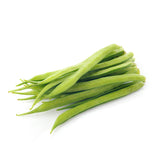

Kothavarangai is cluster beans in English. It is the Tamil name for guar beans (Cyamopsis tetragonoloba), called gorikayi in Kannada, goru chikkudu in Telugu and gawar or gwar phali in Hindi. The tender pods are a fibre-rich everyday vegetable, cooked into palya, poriyal, usili and sambar.
Buy fresh cluster beans (gorikayi) from Organic Mandya


Cluster beans names in Indian languages
| Language | Name | Script | Notes |
|---|---|---|---|
| English | Cluster beans / Guar / Guar beans | - | The pods grow in clusters along the stem |
| Tamil | Kothavarangai | கொத்தவரங்காய் | Also kothavarai (கொத்தவரை) for the plant |
| Kannada | Gorikayi | ಗೋರಿಕಾಯಿ | Also spelt gorikai, gori kaayi |
| Telugu | Goru chikkudu | గోరుచిక్కుడు | Often goru chikkudu kaya |
| Hindi | Gawar / Gwar phali | ग्वार / ग्वार फली | Also guar, gavar |
| Marathi | Gavar | गवार | As in gavar bhaji |
| Botanical | Cyamopsis tetragonoloba | - | Legume (bean) family |
So "kothavarangai in English" and "gorikayi in English" have the same answer: cluster beans. Gawar, guar and goru chikkudu are the same vegetable too. Do not confuse cluster beans with flat beans (chikkadikai or avarakkai) or French beans (hurulikayi), which are different plants.
Nutrition of cluster beans per 100 g
| Nutrient | Per 100 g raw |
|---|---|
| Energy | 168 kJ (about 40 kcal) |
| Water | 84.7 g |
| Protein | 3.6 g |
| Fat | 0.4 g |
| Available carbohydrate | 4.9 g |
| Total dietary fibre | 4.8 g (insoluble 3.6 g, soluble 1.3 g) |
| Calcium | 121 mg |
| Iron | 3.9 mg |
| Magnesium | 82 mg |
| Potassium | 301 mg |
| Vitamin C | 18.0 mg |
| Folate | 41 µg |
| Beta-carotene | 241 µg |
Source: Indian Food Composition Tables 2017 (IFCT 2017), ICMR-National Institute of Nutrition, food code D039, cluster beans. Raw edible portion; kcal converted from the kJ value in the table.
Benefits of cluster beans
- Fibre. 4.8 g of dietary fibre per 100 g, mostly insoluble. A cup of gorikayi palya adds real roughage to a rice meal.
- Some plant protein. 3.6 g of protein per 100 g. That is useful for a vegetable, though pulses such as toor dal give much more.
- Iron with vitamin C. 3.9 mg of iron and 18 mg of vitamin C per 100 g. Iron is needed to make haemoglobin, which carries oxygen in the blood, and vitamin C helps the body absorb iron from plant foods. Cooking with a little tamarind, tomato or lemon adds more vitamin C to the dish.
- Calcium and magnesium. 121 mg of calcium and 82 mg of magnesium per 100 g.
- Low in calories. About 40 kcal per 100 g raw.
- A firm bean that holds its shape. Cluster beans stay pleasantly crunchy in palya and do not turn mushy in sambar, so they work well in lunch boxes.
Guar gum comes from the seed, not the pod
The same plant gives guar gum, a thickener used in food and industry. According to APEDA, guar gum comes from the endosperm of the guar seed, and India accounts for about 80% of the world's guar produce, most of it from Rajasthan. That crop is grown for dry seed. The green pods you cook at home are picked young and tender, and are a vegetable, not a source of guar gum. Guar gum supplements are a separate, concentrated product; this page is only about the fresh vegetable.
How to choose cluster beans
- Pick slim, bright green, flat pods that snap cleanly when bent.
- Avoid thick, pale, stringy or bulging pods. Fat seeds inside mean the pods are mature and will be tougher and more bitter.
- Small dark marks on the surface are normal; avoid soft, slimy or yellowing pods.
How to cook cluster beans
Prep: wash, then pinch off both ends and pull away any string along the side. Chop into 1 to 2 cm pieces.
Bitterness: cluster beans have a mild, slightly bitter taste, stronger in older pods. To soften it, boil the chopped beans in salted water for 5 to 8 minutes, or pressure-cook for one whistle, then drain before tempering. Coconut, jaggery, tamarind or peanut powder in the dish also balances the taste.
Karnataka and South Indian dishes
- Gorikayi palya. Boiled cluster beans with a mustard, urad dal and curry leaf tempering, finished with grated coconut.
- Gorikayi huli or sambar. The beans hold their shape well in a toor dal and tamarind base. See our sambar recipe for the base.
- Kothavarangai poriyal. The Tamil version of the dry stir-fry, with coconut.
- Kothavarangai paruppu usili. Cluster beans tossed with steamed, crumbled toor and chana dal, a Tamil classic.
- Goru chikkudu kura. Andhra stir-fry, often finished with roasted peanut or sesame powder.
- Gawar ki sabzi. Rajasthani and Gujarati style, with ajwain, garlic and dry spices, sometimes with potato.
For more bean vegetables, read our guides to flat beans (chikkadikai / avarakkai) and green beans (hurulikayi).
How to store cluster beans
- Keep unwashed in a paper bag or cloth bag in the fridge vegetable drawer.
- Use within 3 to 5 days, while the pods are still crisp and green.
- To freeze, top and tail, chop, blanch in boiling water for 2 minutes, cool in cold water, dry and freeze in a sealed bag.
Who should take care
- If your doctor has put you on a low-fibre diet, for example before or after a procedure, follow that advice; cluster beans are a high-fibre vegetable.
- If you are not used to much fibre, add high-fibre vegetables like cluster beans gradually, with enough water through the day.
- Cook them. Cluster beans are eaten cooked in Indian kitchens; raw pods are tough and bitter.
FAQs
Q1. What is kothavarangai in English?
Kothavarangai is cluster beans in English, also called guar or guar beans. It is the Tamil name for the green pods of Cyamopsis tetragonoloba. In Kannada it is gorikayi, and in Hindi gawar.
Q2. What is gorikayi in English?
Gorikayi (ಗೋರಿಕಾಯಿ) is the Kannada name for cluster beans, or guar beans. It is the same vegetable as Tamil kothavarangai, Telugu goru chikkudu and Hindi gawar phali.
Q3. What are cluster beans called in Telugu and Hindi?
In Telugu, cluster beans are goru chikkudu (గోరుచిక్కుడు), often goru chikkudu kaya. In Hindi they are gawar or gwar phali (ग्वार फली).
Q4. Is guar gum made from cluster beans?
Yes, from the same plant, but from the dry seed, not the green pod. APEDA describes guar gum as coming from the endosperm of the guar seed. The tender pods sold as a vegetable are not processed into gum.
Q5. What are the benefits of cluster beans?
Per 100 g raw, IFCT 2017 lists 4.8 g of dietary fibre, 3.6 g of protein, 3.9 mg of iron, 121 mg of calcium and 18 mg of vitamin C, for about 40 kcal. They are a filling, low-calorie bean vegetable that keeps its bite in cooking.
Q6. How do I reduce the bitterness of cluster beans?
Choose young, slim pods, string them, and boil them in salted water for a few minutes before tempering. Coconut, a little jaggery, tamarind or peanut powder in the dish balances any remaining bitterness.
Cook gorikayi at home
About this article
Written by the Organic Mandya team to answer common questions about cluster beans. We sell cluster beans, sourced from our farmer network.
Sources:
- Indian Food Composition Tables 2017 (IFCT 2017), ICMR-National Institute of Nutrition, Hyderabad: food code D039, cluster beans (nutrition values and regional names).
- APEDA (Agricultural and Processed Food Products Export Development Authority), Government of India: guar gum product page.
- US National Institutes of Health, Office of Dietary Supplements: iron fact sheet.
- Alar, V. Krishna's Kannada-English dictionary: ಗೋರಿಕಾಯಿ (guar bean, Cyamopsis tetragonoloba).
- Multilingual Multiscript Plant Name Database, University of Melbourne, and TNAU Agritech: Indian-language names for Cyamopsis.
This article is for general information about food and cooking. It is not medical advice.


