


Dals and Pulses
Toor, moong, chana, urad and masoor dal, along with whole pulses such as green gram, horse gram, cowpea, rajma and kabuli chana, are cooked in Indian homes every day. This page gives their names in English, Kannada, Hindi, Telugu and Tamil, explains whole, split and unpolished dal, and shows how to cook and store them.
Other names
- English
- Dals and pulses, lentils
- Kannada
- ಬೇಳೆ ಕಾಳುಗಳು (Bele kalugalu)
- Hindi
- दाल और दलहन (Dal aur dalhan)
- Telugu
- పప్పులు (Pappulu)
- Tamil
- பருப்பு வகைகள் (Paruppu vagaigal)
Buy from Organic Mandya


What are dals and pulses?
Pulses are the dried seeds of plants in the legume family: pigeon pea, green gram, Bengal gram, black gram, lentil, cowpea, horse gram, kidney beans and chickpeas. In Indian kitchens the word dal is used both for a split pulse and for the cooked dish made from it.
In Kannada a split pulse is called bele and a whole pulse is called kalu. So hesaru kalu is whole green gram and hesaru bele is the split, skinned moong dal made from it.
Dals and their names
Toor dal, tur dal or arhar dal (English: split pigeon pea, red gram): Kannada ತೊಗರಿ ಬೇಳೆ (togari bele), Hindi अरहर दाल / तूर दाल (arhar dal, tur dal), Telugu కందిపప్పు (kandi pappu), Tamil துவரம் பருப்பு (thuvaram paruppu).
Moong dal (English: split green gram, yellow moong): Kannada ಹೆಸರು ಬೇಳೆ (hesaru bele), Hindi मूंग दाल (moong dal), Telugu పెసరపప్పు (pesara pappu), Tamil பாசிப்பருப்பு (pasi paruppu).
Green gram, whole moong (English: green gram, mung bean): Kannada ಹೆಸರು ಕಾಳು (hesaru kalu), Hindi साबुत मूंग (sabut moong), Telugu పెసలు (pesalu), Tamil பச்சைப்பயறு (pachai payaru).
Chana dal (English: split Bengal gram): Kannada ಕಡಲೆ ಬೇಳೆ (kadale bele), Hindi चना दाल (chana dal), Telugu శనగపప్పు (senaga pappu), Tamil கடலைப் பருப்பு (kadalai paruppu).
Urad dal (English: black gram): Kannada ಉದ್ದಿನ ಬೇಳೆ (uddina bele), Hindi उड़द दाल (urad dal), Telugu మినపప్పు (minapa pappu), Tamil உளுத்தம் பருப்பு (ulutham paruppu).
Masoor dal (English: split red lentil): Kannada ಮಸೂರ್ ಬೇಳೆ (masoor bele), Hindi मसूर दाल (masoor dal), Telugu మసూర్ పప్పు (masoor pappu), Tamil மைசூர் பருப்பு (Mysore paruppu).
Horse gram (English: horse gram): Kannada ಹುರುಳಿ ಕಾಳು (huruli kalu), Hindi कुलथी (kulthi), Telugu ఉలవలు (ulavalu), Tamil கொள்ளு (kollu).
Cowpea or lobia (English: cowpea, black-eyed bean): Kannada ಅಲಸಂದೆ (alasande), Hindi लोबिया (lobia), Telugu అలసందలు (alasandalu), Tamil காராமணி (karamani).
Rajma (English: red kidney beans): Hindi राजमा (rajma). It is sold as rajma in the southern languages too: Kannada ರಾಜ್ಮಾ, Telugu రాజ్మా, Tamil ராஜ்மா.
Kabuli chana (English: white chickpeas): Kannada ಕಾಬೂಲ್ ಕಡಲೆ (kabul kadale), Hindi काबुली चना (kabuli chana), Telugu కాబూలీ శనగలు (kabuli senagalu), Tamil வெள்ளை கொண்டைக்கடலை (vellai kondai kadalai).
Whole, split and skinned dal
The same pulse is sold in up to three forms, and each cooks differently.
Whole (sabut): the full seed with its skin on, such as green gram, black urad whole, horse gram, cowpea, rajma and kabuli chana. Whole pulses hold their shape, take the longest to cook and are the ones used for sprouting.
Split with skin (chilka): the seed is split in two but the skin is left on, such as moong chilka and black urad dal with husk.
Split and skinned (dhuli): the skin is removed and the seed is split, such as toor dal, yellow moong dal, chana dal, white urad dal and masoor dal. These cook fastest and turn soft and smooth.
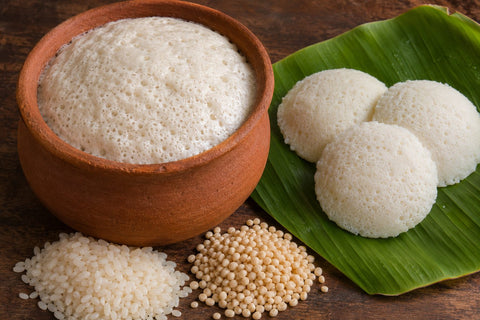
Urad gota is the whole urad seed, sold for grinding into idli and dosa batter.
Polished and unpolished dal
After a pulse is dehusked and split in the mill, it can go through one more step called polishing. The dal is buffed, often with a little water or oil, so that the surface becomes smooth, shiny and even in colour.
Unpolished dal skips this step. It comes straight from splitting and cleaning, so it looks matt and slightly dusty, and the colour can vary a little from grain to grain. This is normal. Rinse it in two or three changes of water before cooking.
Organic Mandya sells both unpolished and polished dals; the product name says which.
How to cook dal
Pick over the dal for any small stones, then rinse it until the water runs clearer.
Soaking: moong dal and masoor dal can be cooked without soaking. Toor dal and chana dal cook more evenly after 20 to 30 minutes in water. Whole pulses such as rajma, kabuli chana, brown chana and horse gram need soaking overnight; drain them and cook in fresh water.
Pressure cooking: cook split dal with about 2.5 to 3 cups of water for each cup of dal, with a pinch of turmeric, until it mashes easily between two fingers. Whole pulses need more water and a longer time. Add salt, tamarind and tomato after the dal is soft, because they slow down cooking.
Rajma must always be boiled until completely soft. The recipes below give exact quantities and timings.
How to store dal
Keep dal in a clean, dry, airtight container in a cool place away from the stove and direct sunlight. Always use a dry spoon, since moisture is what spoils it.
Buy the quantity you will use in a few months, finish the older pack before opening a new one, and check the best-before date on the pack. In humid weather, look through stored dal now and then for insects or a musty smell.
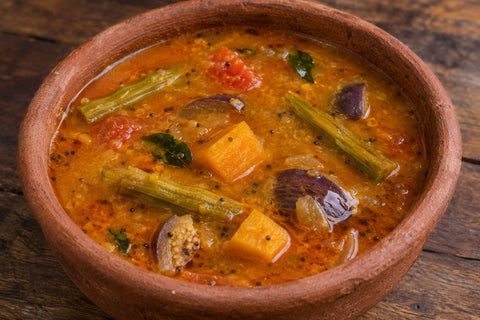
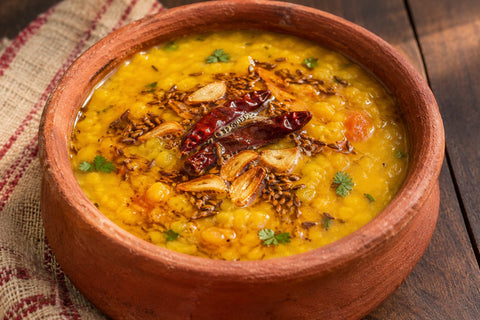
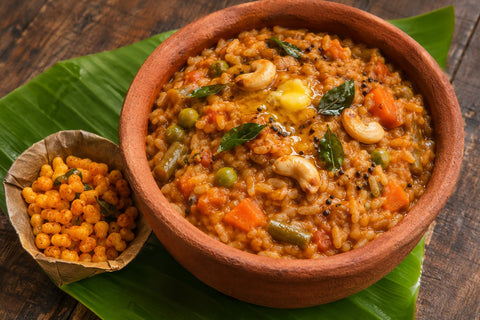
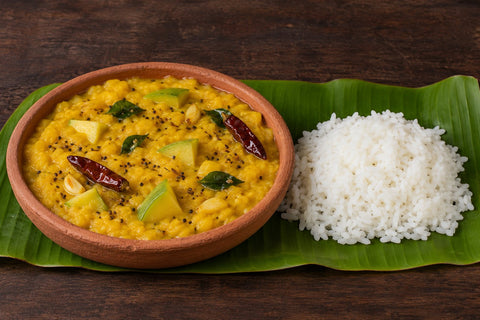
Recipes

Read more
Frequently asked questions
What is togari bele in English?
Togari bele is toor dal, the split pigeon pea, also called red gram. In Hindi it is arhar dal or tur dal, in Telugu kandi pappu and in Tamil thuvaram paruppu.
What is hesaru bele in English?
Hesaru bele is moong dal: green gram that has been skinned and split, which is why it is yellow. Whole green gram is hesaru kalu in Kannada.
What is kadale bele in English?
Kadale bele is chana dal, the split and skinned Bengal gram. It is made from the small brown chickpea (kala chana), not from white kabuli chana.
What is uddina bele in English?
Uddina bele is urad dal, also called black gram. With the black skin removed it is white, and it is the dal ground with rice for idli and dosa batter.
Is arhar dal the same as toor dal?
Yes. Arhar dal, toor dal, tur dal and tuvar dal are all names for split pigeon pea. Arhar is used more in North India, toor and tur in the west and south.
What is the difference between polished and unpolished dal?
Polished dal is buffed after splitting, often with water or oil, to make it shiny and even in colour. Unpolished dal skips that step, so it looks matt and slightly dusty. Rinse it well before cooking.


