


Millets (Siri Dhanya)
Millets are small, gluten-free grains that India has grown for thousands of years: foxtail, kodo, little, barnyard, proso and browntop millet, along with pearl millet, sorghum and ragi. This page gives their names in Indian languages, which form to buy, and how to cook and store them.
Other names
- English
- Millets, small millets
- Kannada
- ಸಿರಿಧಾನ್ಯ (Siri dhanya)
- Hindi
- मोटा अनाज / श्री अन्न (Mota anaj, Shree anna)
- Telugu
- చిరుధాన్యాలు (Chirudhanyalu)
- Tamil
- சிறுதானியங்கள் (Siruthaniyangal)
- Marathi
- भरड धान्य (Bharad dhanya)
Buy from Organic Mandya


What are millets?
Millets are small-seeded cereal grasses that have been grown in India for thousands of years. They are cooked whole like rice, ground into flour for rotti and dosa, or flattened into flakes. All millets are naturally gluten-free.
In Karnataka they are called siri dhanya. Quinoa, amaranth and buckwheat are often sold alongside millets, but they belong to different plant families and are not millets.
The nine millets and their names
Foxtail millet: navane (Kannada), kangni (Hindi), korralu (Telugu), thinai (Tamil).
Kodo millet: harka (Kannada), kodo or kodra (Hindi), arikelu (Telugu), varagu (Tamil).
Little millet: saame (Kannada), kutki (Hindi), samalu (Telugu), samai (Tamil).
Barnyard millet: udalu or oodalu (Kannada), sanwa or samak (Hindi), udalu (Telugu), kuthiraivali (Tamil).
Proso millet: baragu (Kannada), cheena (Hindi), variga (Telugu), panivaragu (Tamil).
Browntop millet: korale (Kannada), andu korralu (Telugu).
Pearl millet: sajje (Kannada), bajra (Hindi), sajjalu (Telugu), kambu (Tamil).
Sorghum: jola (Kannada), jowar (Hindi), jonnalu (Telugu), cholam (Tamil).
Finger millet: ragi (Kannada), mandua or nachni (Hindi), ragulu (Telugu), kezhvaragu (Tamil). See the ragi page for more.
Major and small millets
Pearl millet, sorghum and finger millet are the major millets: large crops, mostly ground into flour for rotti, bhakri and mudde.
Foxtail, kodo, little, barnyard, proso and browntop are the small millets. Their grains are tiny and are usually cooked whole, in place of rice, in upma, pongal, khichdi and bisi bele bath.
Which form should you buy?
Whole grain (millet rice): for cooking like rice, and for upma, pongal, khichdi and curd rice. Rinse it and soak it for 30 minutes to a few hours before cooking.
Flour (atta): for rotti, bhakri, dosa, idli, and for baking. Small-millet flours are best used fresh.
Flakes (millet poha): flattened grain that softens in minutes, for poha-style breakfasts.
Vermicelli, noodles and mixes: quick options made with millet flour; check the ingredient list on each pack.
How to cook small millets
Rinse the grain two or three times until the water runs clearer, then soak it. Cook it with about 2 to 2.5 cups of water for each cup of dry grain, covered on low heat, until the water is absorbed and a grain presses soft. Leave it covered for 10 minutes before fluffing.
Each millet behaves a little differently, so press a grain to check it is cooked rather than going by time alone. The recipes below give exact quantities.
How to store millets
Keep whole millets and flour in airtight containers in a cool, dry place, and use a dry spoon. Whole grain keeps longer than flour. Buy flour in quantities you will use within a few weeks and check the best-before date on the pack.
Recipes
-
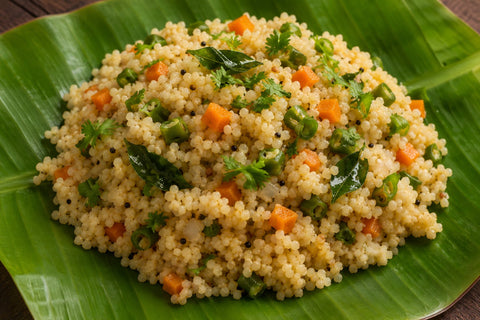 Foxtail Millet (Navane) Upma
-
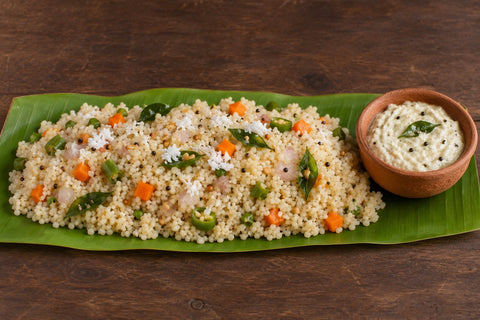 Little Millet Upma / Saame Upma
-
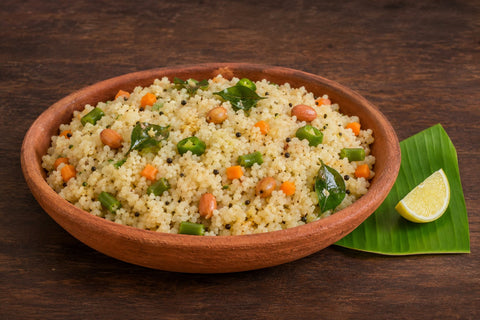 Barnyard Millet Upma / Udalu Upma
-
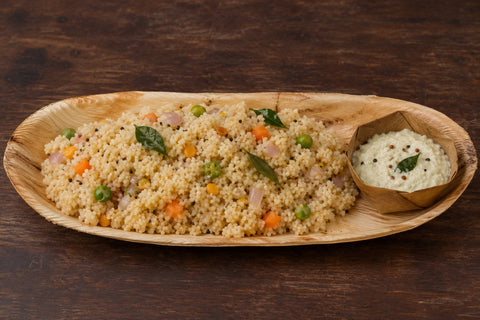 Kodo Millet Upma / Harka Upma
-
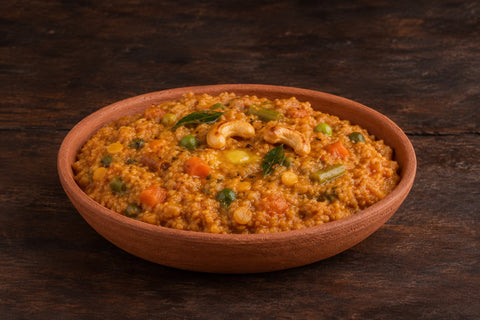 Millet Bisi Bele Bath / Saame Bisi Bele Bath
-
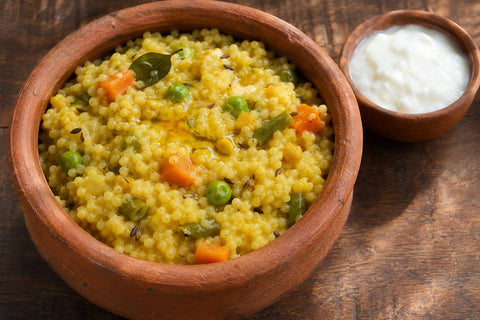 Foxtail Millet (Navane) Khichdi
-
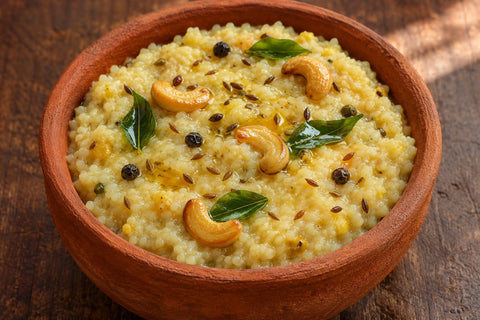 Little Millet (Saame) Pongal
-
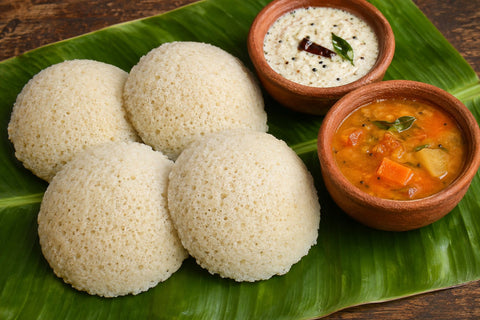 Little Millet (Saame) Idli
-
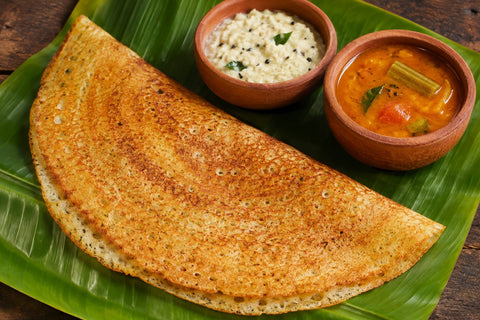 Foxtail Millet (Navane) Dosa
-
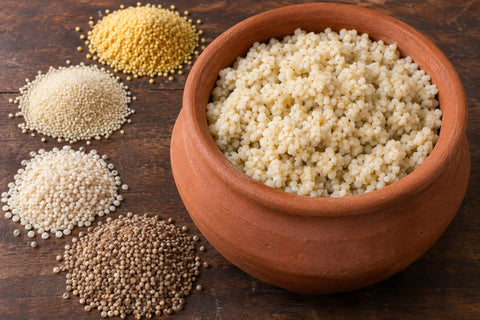 Mixed Millet Rice (Siridhanya Anna)
-
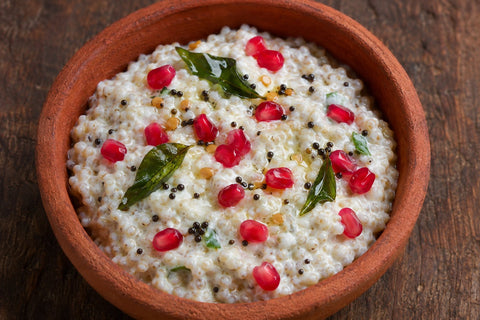 Little Millet (Saame) Curd Rice
-
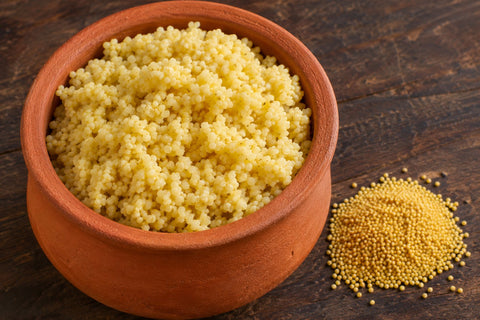 How to Cook Foxtail Millet (Navane)
-
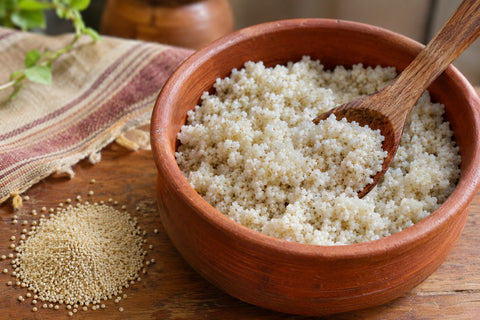 How to Cook Barnyard Millet (Udalu)
Read more
Frequently asked questions
What are millets called in Kannada?
Millets as a group are called siri dhanya in Kannada. The individual millets are navane (foxtail), harka (kodo), saame (little), udalu or oodalu (barnyard), baragu (proso), korale (browntop), sajje (pearl), jola (sorghum) and ragi (finger millet).
How many types of millets are there in India?
Nine millets are commonly grown and sold in India: pearl millet (bajra), sorghum (jowar), finger millet (ragi), foxtail, kodo, little, barnyard, proso and browntop millet. The first three are called major millets; the other six are small millets.
What is foxtail millet called in Hindi and Kannada?
Foxtail millet is kangni in Hindi, navane in Kannada, korralu in Telugu and thinai in Tamil. Its botanical name is Setaria italica.
Are millets gluten-free?
Yes. All millets are naturally gluten-free grains. If you need to avoid gluten strictly, check the pack for how it was processed, since millets can be milled or packed in places that also handle wheat.
Do millets need soaking before cooking?
Soaking is not essential, but rinsing and soaking whole small millets for 30 minutes to a few hours helps them cook evenly and softly. Drain the soaking water and cook with fresh water.
Is quinoa a millet?
No. Quinoa is a pseudo-cereal from a different plant family, like amaranth and buckwheat. It is gluten-free like millets but is not a millet.


