


Top 10 Vegetables With Highest Pesticides in India (And What You Can Do)
Organic vegetables may look fresh — but some carry higher pesticide residue than others.
Discover the top 10 vegetables in India that need extra attention and how to make safer food choices.

Introduction
Food should nourish your body, not expose it to unnecessary toxins.
Many vegetables consumed daily in India may contain pesticide residues due to intensive farming practices. While pesticides help farmers manage pests and diseases, excessive or improper usage can leave residues on produce that eventually reach our kitchens.
The good news? You don't need to stop eating vegetables. You simply need to understand which vegetables tend to carry higher pesticide residues and learn how to make smarter food choices.
In this guide, we'll explore the vegetables that often require extra attention, why pesticide residues remain on them, and practical steps you can take to reduce your family's exposure.
Why Some Vegetables Carry More Pesticide Residue
Not all vegetables accumulate pesticide residues equally.
Certain vegetables naturally retain more residues because of their structure, cultivation methods, and pest susceptibility.
Common reasons include:
- Large leaf surface areas that trap sprays and dust
- Thin skins that absorb chemicals more easily
- High vulnerability to insects and fungal attacks
- Frequent spraying during cultivation
- Cosmetic market demands for uniform appearance
- The more often a vegetable is sprayed and the more frequently you consume it, the more important sourcing becomes.
Top 10 Vegetables With Highest Pesticides in India
While pesticide levels vary depending on farming practices, the following vegetables are commonly considered higher-risk categories that deserve extra attention.
|
Vegetable |
Why It Can Be Higher Risk |
What You Can Do |
|
Spinach (Palak) |
Large leaf surface retains sprays and dust |
Buy organic or tested leafy greens |
|
Coriander Leaves |
Dense bunches trap residues easily |
Soak and rinse thoroughly |
|
Fenugreek Leaves (Methi) |
Frequent exposure during growth |
Prioritize trusted organic sources |
|
Tomatoes |
Often sprayed multiple times during cultivation |
Wash thoroughly and source carefully |
|
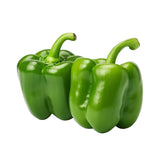
Capsicum |
Managed heavily for appearance and shelf life |
Buy from transparent growers |
|
Chillies |
High pest pressure results in repeated spraying |
Choose verified suppliers |
|
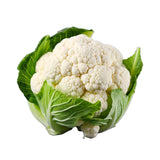
Cauliflower |
Tight florets trap residues and dust |
Soak before cooking |
|
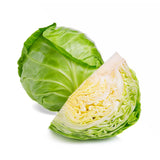
Cabbage |
Outer leaves receive maximum exposure |
Remove outer layers |
|
Brinjal (Eggplant) |
Frequently targeted by pests |
Wash carefully and inspect quality |
|
Beans |
Tender pods are vulnerable to insect attacks |
Rinse thoroughly before use |
Why Leafy Greens Need Extra Attention
Leafy vegetables consistently rank among the most vulnerable categories.
Unlike fruits that have protective peels, leafy greens expose a large surface area directly to sprays, dust, and environmental contamination.
Examples include:
- Spinach
- Coriander
- Methi
- Amaranth leaves
- Dill leaves
Since these vegetables are often consumed multiple times per week, choosing clean and tested sources can significantly reduce cumulative pesticide exposure.
Should You Stop Eating These Vegetables?
Absolutely not.
Vegetables remain one of the most important parts of a healthy diet.
The goal is not to eliminate nutritious foods but to reduce unnecessary chemical exposure while continuing to enjoy a diverse range of vegetables.
Instead of avoiding these vegetables:
- Buy from trusted farmers and brands
- Choose tested or organic produce whenever possible
- Wash vegetables properly
- Rotate foods throughout the week
- Focus on food quality rather than appearance
Remember:
The risk isn't vegetables.
The risk is unsafe farming and poor sourcing.
How to Reduce Pesticide Exposure at Home
While washing cannot remove every residue, proper handling can reduce surface contamination.
1. Wash Under Running Water
Rinse vegetables thoroughly before cutting or cooking.
2. Soak Leafy Greens
Soak greens for a few minutes before the final rinse.
3. Remove Outer Layers
Discard the outer leaves of:
- Cabbage
- Lettuce
- Similar layered vegetables
4. Trim Damaged Areas
Cut away bruised or damaged portions where residues may concentrate.
5. Store Properly
Fresh vegetables stored correctly maintain quality and reduce spoilage-related contamination.
These simple habits can make a meaningful difference over time.
Why Testing Matters More Than Marketing Claims
Today, terms like:
- Natural
- Farm Fresh
- Chemical-Free
- Organic
are used widely across the market.
However, labels alone do not guarantee food safety.
What truly matters is:
Transparency
Knowing where your food comes from.
Traceability
Understanding how it was grown.
Laboratory Testing
Verifying quality through scientific analysis.
At Organic Mandya, food quality is backed by direct farmer relationships and regular testing protocols to ensure greater accountability throughout the supply chain.
Which Vegetables Should You Prioritize Buying Organic?
If switching completely to organic isn't practical, start with the vegetables that generally have higher exposure levels.
Priority List
|
Priority Level |
Vegetable Category |
|
High |
Leafy Greens |
|
High |
Tomatoes |
|
High |
|
|
Medium |
Chillies |
|
Medium |
|
|
Medium |
Cabbage |
|
Medium |
Brinjal |
|
Lower |
Thick-skinned produce |
This approach helps you maximize benefits without significantly increasing your food budget.
Higher-Risk vs Safer Food Choices
|
Approach |
What It Looks Like |
Likely Outcome |
|
Buying Based Only on Appearance |
Selecting shiny, uniform produce |
May prioritize looks over safety |
|
Buying from Transparent Sources |
Traceable and tested produce |
Greater confidence in quality |
|
Proper Home Washing |
Rinsing, soaking, and trimming |
Helps reduce surface residues |
|
Choosing Organic When Possible |
Supporting natural farming systems |
Lower pesticide exposure over time |
Why Organic Farming Matters
Organic farming focuses on:
- Building healthy soil
- Reducing synthetic pesticide use
- Preserving biodiversity
- Supporting farmer sustainability
When done correctly, it benefits:
Farmers
Lower chemical dependency and healthier farming ecosystems.
Consumers
Cleaner food and reduced long-term exposure to synthetic inputs.
Environment
Healthier soil, water, and biodiversity.
This is why more Indian families are gradually shifting toward organically grown and responsibly sourced food.
FAQs
1. Which vegetables are usually considered more pesticide-prone?
Leafy greens, tomatoes, capsicum, chillies, cabbage, cauliflower, brinjal, and beans are often considered higher-risk because they may receive frequent pesticide applications during cultivation.
2. Can washing vegetables remove pesticides completely?
No. Washing can reduce some surface residues but may not eliminate everything. Safe sourcing remains equally important.
3. Should I stop eating vegetables with higher pesticide risk?
No. These vegetables are highly nutritious. The better approach is choosing cleaner sources and handling them properly at home.
4. Are organic vegetables completely pesticide-free?
Not necessarily. The most reliable indicators are transparent sourcing, responsible farming practices, and laboratory testing rather than labels alone.
5. Which vegetables should I switch to organic first?
Start with leafy greens, tomatoes, capsicum, and chillies since they are frequently consumed and often have higher exposure risks.
6. Why do some vegetables need more pesticide applications?
Certain crops are more vulnerable to insects, fungi, and diseases, requiring additional pest management during cultivation.
7. Is organic food worth the extra cost?
For frequently consumed vegetables and staples, many families find the reduced pesticide exposure and improved transparency worth the investment.


